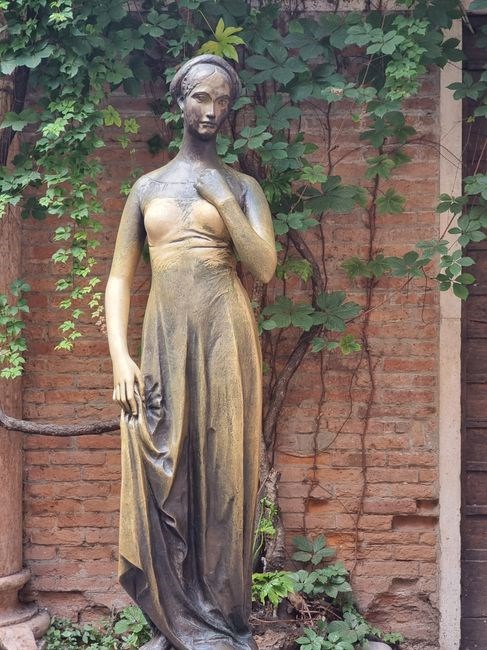
Act Three Overview
Act Three escalates tension as feuds deepen, culminating in Mercutio’s death and Romeo’s tragic retaliation, setting the stage for the lovers’ impending doom. The act’s rising action intensifies the tragic arc, with the Capulets and Montagues escalating conflict, while the city’s lawlessness fuels desperate choices

Key Characters in Act Three
Romeo, the impulsive protagonist, is torn between love for Juliet and the honor demanded by his family. His decision to kill Tybalt after the street brawl marks a turning point, revealing his internal conflict and the tragic trajectory of the narrative. Tybalt, the hot‑headed cousin of the Capulets, embodies the family’s vendetta and serves as the catalyst for the escalating violence. His fiery temper and unwavering loyalty to the Capulet name drive the conflict forward, culminating in his fatal encounter with Romeo. Mercutio, Romeo’s close friend and witty confidant, provides comic relief in the midst of tension but ultimately becomes a tragic casualty. His death, caused by Tybalt’s sword, ignites Romeo’s vengeance and sets the stage for the subsequent banishment. Lady Capulet, Juliet’s mother, represents the Capulet authority and insists on Tybalt’s marriage to Paris, further complicating Juliet’s situation. Paris, the noble suitor, embodies social expectation and the pressure to conform, while the Nurse, Juliet’s confidante, offers emotional support and pragmatic advice, underscoring the emotional stakes of the lovers’ secret union. Together, these characters weave a complex tapestry of love, loyalty, and lethal rivalry, culminating in a tragic climax that reshapes the narrative’s trajectory. The unfolding drama underscores the fragile balance between youthful passion and the rigid codes that bind Verona’s society His actions echo the inevitability that permeates the play. Now!
Scene 1: The Street Fight
In the opening scene of Act Three, the city’s streets become a battlefield as the longstanding feud between the Montagues and Capulets erupts into open violence. Romeo, reeling from the secret marriage, confronts the aggressive Tybalt, who demands a duel to defend family honor. Romeo’s refusal to fight, driven by love for Juliet, triggers a heated argument that escalates quickly. Benvolio, Romeo’s loyal friend, attempts to mediate, but tension is too high. The street fight begins with a clash of swords and shouts, drawing the attention of onlookers and magistrates. As the melee intensifies, Mercutio, known for sharp wit and fearless nature, steps in to defend Romeo, mocking the Capulet’s bravado. His involvement turns the fight into a chaotic spectacle, with each side exchanging blows and insults. The scene ends abruptly with the arrival of the Prince, who, weary of escalating violence, declares that any further bloodshed will be met with severe punishment. The Prince’s intervention highlights the fragile peace that Verona’s leaders desperately try to maintain, while the street fight itself underscores the tragic inevitability of the lovers’ fate. The scene sets the stage for dramatic events that follow, illustrating how a single moment of pride and misjudgment can spiral into tragedy. It also showcases Shakespeare’s skill in blending humor, tension, and pathos to create a vivid tableau that drives the plot toward its inevitable climax. The street fight is a pivotal moment that reveals the characters’ motives and foreshadows catastrophic consequences that will unfold in the next scenes. Their fates intertwine, sealing a future of sorrow and loss.
Scene 2: The Death of Mercutio
Mercutio’s death is the turning point that propels the tragedy forward. The scene opens with the Prince’s warning that any further violence will be punished, yet the street remains a tinderbox. Romeo’s refusal to fight Tybalt, driven by love, forces Mercutio to intervene, as he cannot stand the injustice. He confronts Tybalt with biting sarcasm, calling him “a rash, rash, rash” and mocking his pride. Tybalt, enraged, challenges Mercutio to a duel. The fight is swift and brutal; Mercutio’s quick wit is replaced by a desperate scramble for survival. He is struck by Tybalt’s sword, and the wound is fatal. The scene is marked by a series of rapid, vivid stage directions: “A sword, a knife, a dagger.” Mercutio’s dying words, “A plague o’ both your houses!” echo the theme of family feud and the cost of pride. His death is not a mere plot device; it deepens the emotional stakes, turning Romeo’s love into a vengeful fury. The Prince’s reaction is one of horror, but the law cannot stop the bloodshed. Romeo, now a murderer, is forced to flee, and the city’s sense of order collapses. The scene’s language is rich with irony and foreshadowing, as Mercutio’s final line foreshadows the impending doom for both families. The audience is left to grapple with the moral ambiguity of revenge and the tragic consequences of unchecked passion. The death of Mercutio is a catalyst that sets the rest of the play on a path toward inevitable tragedy, underscoring the fragility of peace in a society torn by hatred.
Mercutio’s body is left on the cobblestones, a stark reminder of the cost of pride; The crowd’s roar turns to silence as the Prince’s decree is ignored. Romeo’s heart is torn between grief and rage, and he vows to avenge his friend. This vow marks the beginning of a chain reaction that will lead to the lovers’ tragic end. Shakespeare uses this scene to illustrate how a single act of violence can spiral into a cycle of retaliation, destroying lives and families. The stage directions emphasize the suddenness of death, underscoring the fragility of human life. The audience is left to reflect on the moral complexities of justice and revenge, and the scene’s emotional intensity heightens the stakes for the subsequent acts. The scene’s tragic resonance lingers, reminding viewers that love can be eclipsed by hatred in mere moments.

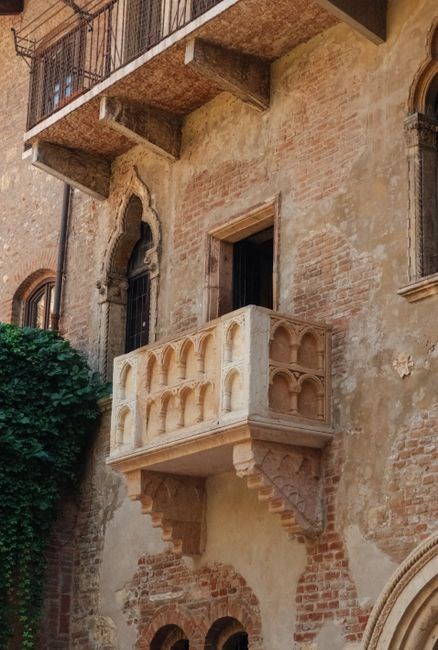
Scene 3: The Balcony Scene
After the street quarrel, Romeo secretly climbs the Capulet orchard, seeking the moonlit balcony where Juliet awaits. The scene opens with Romeo’s nervous soliloquy, lamenting the impossibility of their love. He calls Juliet “the sun” and “the moon,” weaving celestial metaphors to express longing. Juliet, unaware of Romeo’s presence, speaks of love’s paradox, declaring that “the world is not so great” if it can be divided by family names. Their dialogue is a lyrical exchange, rich with imagery of stars and roses, illustrating the theme of forbidden love. Romeo’s entrance is marked by a dramatic pause; he speaks in a hushed tone, “Love, love, love,” emphasizing the intensity of his feelings. Juliet’s reply, “I love you too,” is simple yet profound, echoing the play’s motif of youthful passion. The balcony scene also introduces the motif of secrecy, as the lovers vow to marry in secret, planning to unite their families. The scene ends with the promise of a clandestine wedding, foreshadowing the tragic events that will follow. Shakespeare’s use of poetic language and the intimate setting heightens the emotional stakes, making the balcony a symbol of hope amid the surrounding conflict. The scene’s brevity and intensity capture the fleeting nature of their love, leaving the audience to anticipate the looming tragedy.
Romeo’s voice trembles as he confesses, “I am not a man of the world, but a man of love.” Juliet, moved, replies, “I would rather die than live without you.” Their vows echo the play’s motif of devotion. The balcony’s silence is broken only by the distant city’s clamor, reminding them of the world beyond their love. The scene ends with a promise of a secret wedding, a fragile hope that will soon be shattered by fate. Their love flickers in the moonlit night!…
Scene 4: Romeo’s Banishment
In the final scene of Act Three, the city’s magistrate delivers verdict: Romeo shall be banished from Verona for the death of Mercutio. The tension rises as the Prince explains that the law demands exile to prevent further bloodshed. Romeo’s grief is palpable; he protests that his love for Juliet is the only motive, yet the Prince remains unmoved, citing the need for order. The Capulets and Montagues, still at odds, watch as Romeo’s fate is sealed. Juliet’s reaction is a blend of shock and despair; she pleads for mercy, but the Prince’s decree is final. The scene ends with Romeo’s departure, his heart torn between love and punishment, foreshadowing the tragic path ahead. The exile sets the stage for the lovers’ secret marriage and the ensuing tragedy, highlighting the theme of fate versus free will. The banishment scene underscores the harsh consequences of feuding families and the fragile nature of youthful passion, leaving the audience to ponder the cost of love in a divided world.
Romeo’s exile is a catalyst that forces the lovers to confront the harsh reality of their families’ feud. The city’s streets echo with the clang of swords, yet the orchard becomes a sanctuary for secret vows. Juliet’s heart trembles as she realizes their love may be doomed, but she clings to hope that destiny will favor them. The Prince’s decree reminds that law and order clash with youthful passion. This moment of separation foreshadows the tragic events to come. They whisper promises, knowing that love alone may not shield them from the storm, yet they cling to hope like fragile stars bright.
Central Themes in Act Three
Act Three of Shakespeare’s tragedy crystallizes the interplay of destiny, passion, and societal constraint. The relentless feud between the Montagues and Capulets transforms personal desire into a public calamity, illustrating how inherited hatred can eclipse individual agency. Romeo’s impulsive love for Juliet, a forbidden romance, is portrayed as a force that defies rational law, yet it is also the very spark that ignites the tragic chain of events. The theme of fate is woven through the characters’ attempts to escape their predetermined paths; even as Romeo and Juliet seek to carve out a private future, the inexorable forces of family honor and civic law conspire to thwart them. The act also foregrounds the destructive power of pride and revenge, as Tybalt’s challenge and Mercutio’s retaliation lead to irrevocable loss. In contrast, the Prince’s insistence on order and the subsequent banishment of Romeo underscore the tension between individual emotion and collective responsibility. The scene where Romeo is condemned to exile serves as a stark reminder that love, however pure, is vulnerable to the rigid structures of society. Through these intertwined motifs, Act Three invites readers to contemplate the cost of passion when it collides with entrenched conflict and the fragile balance between personal desire and communal duty. Ultimately, Act Three serves as a crucible where love, honor, and fate collide, leaving the audience to question whether tragedy is inevitable or preventable. Each choice echoes through the streets of Verona, reminding us that even the smallest spark can ignite a blaze of sorrow.

Literary Devices Used in Act Three
Act Three is a masterclass in Shakespearean craftsmanship, employing a rich tapestry of literary devices that deepen the narrative’s emotional resonance and foreshadow its tragic trajectory. Dramatic irony permeates the scene where Romeo, unaware of the Prince’s decree, declares his love for Juliet, while the audience senses the looming consequences of his defiance. The tension is amplified by the use of foreshadowing: Mercutio’s witty remark about “the hot weather” hints at the heat of conflict, and the ominous “beyond the city’s law” line foreshadows the fatal duel. Shakespeare’s vivid imagery—“the street is a battlefield” and “the moon’s pale light”—creates a palpable atmosphere that mirrors the characters’ inner turmoil. Metaphorical language, such as Tybalt’s “fierce flame” and Romeo’s “heart’s tempest,” conveys the intensity of their emotions. The play’s use of soliloquies, particularly Romeo’s lament after Mercutio’s death, offers intimate insight into his psyche, revealing the rapid shift from love to vengeance. Symbolism is also evident: the balcony scene’s moonlight symbolizes the fleeting nature of love, while the street’s “swords” represent the violence that consumes the city. Irony runs throughout, especially the tragic irony that the lovers’ secret union ultimately leads to their demise. The interplay of these devices not only heightens the dramatic stakes but also invites the audience to reflect on the themes of fate, passion, and the destructive power of feuds. By weaving these techniques together, Shakespeare creates a compelling, multi‑layered experience that remains resonant for contemporary readers and scholars alike.
Alliteration, hyperbole, paradox enrich dialogue while enjambment iambic pentameter sustain rhythmic tension.

Vocabulary and Definitions
Below is a curated list of key terms from Act Three of Shakespeare’s tragedy, each paired with a concise definition to aid comprehension and analysis. These words capture the emotional intensity, social context, and dramatic stakes that define the act.
- Antagonist – The character or force opposing the protagonist, often driving conflict.
- Capitulate – To surrender or yield, a concept explored when characters consider peace.
- Condemnation – Formal censure or judgment, as seen in the Prince’s decree.
- Enjambment – A poetic device where a sentence or clause continues beyond a line break, creating suspense.
- Feud – A prolonged conflict, exemplified by the Montague‑Capulet rivalry.
- Foreshadow – Hinting at future events, used throughout the act to build tension.
- Glorious – Splendid or magnificent, often describing the intensity of emotions.
- Impending – About to occur, reflecting the looming tragedy.
- Joust – A mock battle, metaphorically used to describe street skirmishes.
- Merciless – Showing no pity, a trait of Tybalt’s aggression.
- Nemesis – An archenemy or downfall, a role played by fate in the narrative.
- Oblivion – The state of being forgotten, a fate for many characters.
- Paradox – A statement that seems contradictory but reveals truth, present in Romeo’s love/anger.
- Quell – To suppress or calm, a goal of the Prince’s order.
- Reckless – Acting without caution, a trait of Romeo’s impulsive actions.
- Stagger – To lose balance, used to describe the chaos of the street fight.
- Tempestuous – Stormy or turbulent, describing the emotional climate.
- Unravel – To untangle or unravel, illustrating how plot threads come together.
- Vigilant – Watchful, a quality required in the tense city streets;
- Wretched – In a state of misery, reflecting the characters’ despair.
These definitions provide a foundation for deeper literary analysis and help students navigate the complex language of Act Three.
Study Guide Questions
What internal conflict does Romeo face when he chooses not to fight Tybalt, and how does this decision set the stage for the act’s tragic climax?
In what ways does Mercutio’s “Queen Mab” speech serve as a foreshadowing device, and what does it reveal about his perception of love and fate?
How does the Prince’s decree of banishment alter the power dynamics between the Montagues and Capulets, and what are its immediate repercussions?
Discuss the interplay between fate and free will in the sequence that leads to Mercutio’s death; to what extent are the characters’ choices deterministic?
Analyze the symbolism of the street fight scene: how does Shakespeare use setting and action to comment on the broader theme of violence?
Compare Tybalt’s motivations with Romeo’s, highlighting how each character’s sense of honor drives their actions.
What is the significance of the “broad day” motif introduced in this act, and how does it foreshadow the impending tragedy?
How does the language shift from the chaotic street to the intimate balcony reflect the evolving emotional stakes of the narrative?
In what manner does the concept of “vengeance” manifest differently in the actions of Tybalt, Mercutio, and Romeo?
Discuss how Shakespeare’s use of enjambment in key lines enhances the pacing and tension during the street fight.
What role does the city’s lawlessness play in shaping the characters’ decisions, and how does it contribute to the tragedy’s inevitability?
Use these questions to guide your study of character motivations!

Answer Key and Explanations
Answer 1: Romeo’s hesitation stems from his love for Juliet. By refusing to fight Tybalt, he preserves but triggers Mercutio’s wrath, setting a tragic still chain.
Answer 2: Mercutio’s “Queen Mab” speech foreshadows love’s fatality and fate’s volatility. His playful tone hints that joy may soon turn to tragedy, fatalistic a! theme.
Answer 3: The Prince’s banishment decree isolates Romeo and forces secrecy, while escalating the feud. The city’s lawlessness fuels desperate choices, deep tragedy!
Answer 4: Fate and free will collide when Mercutio dies impulsively, yet the Prince’s decree feels destiny’s hand. The tragic outcome so preordained, Shakespeare’s fatalism.
Answer 5: The street fight’s chaos mirrors the feud’s violence, foreshadowing the lovers’ doomed union. Shakespeare uses urban disorder to critique so deep aggression!
Answer 6: Tybalt’s vengeance stems from pride, Mercutio’s retaliation escalates conflict, and Romeo’s killing of Tybalt triggers a revenge so ending in tragedy.
Answer 7: City lawlessness forces impulsive action; streets become a battlefield, amplifying the feud and turning the lovers’ love into a so gamble that leads to ruin.
Answer 8: The “broad day” motif foreshadows the day’s tragic events and underscores fate’s inevitability. Shakespeare uses imagery to contrast the lovers’ so dark fate
Answer 9: Romeo’s banishment forces a desperate plan: a secret marriage, miscommunication, and fatal timing converge, sealing their doomed so deep nowfate!!

Study Strategies for Act Three
Begin by closely annotating Act Three, marking every instance where Shakespeare escalates tension—especially the street fight, Mercutio’s death, and Romeo’s banishment. Highlight dialogue that foreshadows tragedy and note the use of metaphors and similes that deepen emotional stakes. Next, construct a visual timeline of events: the street fight, the Prince’s decree, the secret meeting, and the lovers’ eventual separation. This chronological map clarifies cause and effect and helps you see how each action triggers the next. Create a character motive chart for Romeo, Tybalt, Mercutio, Benvolio, and the Prince, listing their motivations, key actions, and outcomes. Compare how each motive drives the plot forward and how their choices intertwine. Explore recurring themes—fate, love, violence, and the consequences of impulsive action—by writing brief reflections on how these themes are woven into the narrative. Focus on literary devices: identify the “Queen Mab” speech, the use of irony, and the dramatic irony that heightens suspense. Engage in group discussions to debate whether Romeo’s banishment is punishment or catalyst, using textual evidence to support positions. Practice with sample exam questions, answering in complete sentences and reviewing explanations for accuracy. Act out key scenes to internalize pacing and emotional beats, which aids memory retention. Keep a reflective journal after each reading, noting unfamiliar words, questions, and how your understanding evolves. Finally, compare Act Three to similar scenes in other Shakespearean tragedies to deepen structural insight. By actively engaging with the material through annotation, mapping, discussion, and creative reenactment, you transform passive reading into a dynamic learning experience that strengthens comprehension and critical analysis. Remember to revisit the timeline after each reading to ensure continuity, and challenge yourself to predict what might happen next based on the established patterns. By actively engaging with the material, you transform passive reading into a dynamic learning experience that deepens comprehension and critical thinking.
Further Reading and Resources
For a deeper dive into Act Three, consult the following scholarly and multimedia resources. The Shakespeare Survey offers a comprehensive analysis of the street fight and its thematic implications. Shakespeare: The Complete Works includes a critical commentary on Mercutio’s death and Romeo’s banishment. The SparkNotes Act Three guide provides concise summaries, character breakdowns, and discussion questions. The BBC Radio 4’s “Shakespeare’s Tragedies” podcast episode examines the legal and moral consequences of the Prince’s decree. For visual learners, the YouTube series “Shakespeare Explained” breaks down key scenes with annotated stage directions. The Project Gutenberg hosts a free, public‑domain edition of the play with searchable text. Students can practice annotation using the Critique.org platform, which offers guided annotation tools. The Oxford Reference entry on “Act Three” provides historical context and critical reception. Finally, the StudyGate community hosts discussion forums where readers share insights and ask questions about Act Three’s dramatic structure.
Additionally, the LitCharts guide offers a scene‑by‑scene breakdown of Act Three, while the Theatre History website provides context on 16th‑century stage practices. For interactive study, try the Shakespeare Institute’s online workshop series, which includes video lectures and quizzes. The National Archives hosts original manuscripts and historical documents that illuminate the play’s reception. Finally, the JSTOR database contains peer‑reviewed articles analyzing the legal themes in Act Three. These resources collectively deepen understanding and support critical analysis of the act’s pivotal moments.
Moreover, the Encyclopædia Britannica entry on Shakespeare provides background on his life and influences, while the SparkNotes summary of Act Three highlights key turning points. These tools are invaluable for quick reference and deeper insight..