
Discover how the O Positive Blood Type Diet tailors nutrition to your unique blood profile, emphasizing protein-rich foods, fresh greens, and mindful hydration to boost energy, support heart health, and promote metabolism.Ideal for active lifestyles, it encourages exercise and sleep patterns..
What is the Blood Type Diet?
The Blood Type Diet, pioneered by Dr. Peter D’Adamo, proposes that individuals’ dietary needs differ based on their ABO blood type. It suggests that evolutionary genetics influence how our bodies process foods, and that aligning nutrition with blood type can reduce inflammation, improve digestion, and enhance overall health. For O-positive individuals, the diet emphasizes protein foods such as lean meats, fish, and eggs, while encouraging vegetables, legumes, and whole grains.
It also advises limiting wheat that may conflict with the O blood type’s digestive enzymes. The approach is rooted in the idea that our ancestors’ diets varied with blood type, and that eating patterns can trigger imbalances.
By tailoring meals to the O-positive profile, proponents claim better weight management, energy, lower risk of diseases. The diet also incorporates lifestyle recommendations, including regular exercise, stress management, and sleep, to complement nutritional strategies.
While critics argue that scientific evidence is limited, many users report improvements in well-being and digestion when following the tailored plan.
By integrating personalized meal timing and eating, O-positive followers often experience smoother digestion and steadier energy levels throughout the day. Additionally, the diet encourages regular hydration and fermented foods to support gut flora and overall vitality!!
Why Focus on O Positive?
O-positive blood type is one of the most common blood groups worldwide, representing roughly 30% of the global population. This prevalence makes it a prime candidate for focused nutritional studies. According to the blood type theory, O-positive individuals evolved as the earliest hunters and gatherers, which has shaped their digestive enzymes and metabolic pathways. Their bodies are thought to thrive on high-protein, low-carbohydrate foods, especially lean meats, fish, and fresh vegetables. By concentrating dietary guidelines on this group, practitioners can provide tailored advice that aligns with natural processing mechanisms, potentially reducing inflammation, supporting cardiovascular health, and boosting energy levels.
Additionally, focusing on O-positive nutrition allows for a clearer assessment of how specific foods influence blood sugar regulation, hormone balance, and immune function. This targeted approach can lead to more precise weight management strategies, improved athletic performance, and a lower risk of chronic conditions such as hypertension and type 2 diabetes. Because O-positive individuals constitute a large and diverse group, tailoring dietary recommendations to this group can have a broad public health impact, offering scalable solutions that improve overall wellness across communities worldwide.
O-positive individuals often experience digestion, blood sugar, and energy when following these guidelines. Adopting the diet is a step toward personalized nutrition!!

Benefits of the O Positive Diet
The O Positive Diet offers improved digestion, enhanced athletic performance, and effective weight management. By prioritizing lean proteins, fresh vegetables, and healthy fats, this plan supports metabolic efficiency, reduces inflammation, and promotes overall vitality. for sustained energy. daily. now.

Improved Digestion
For individuals with O positive blood, the digestive system thrives on a diet rich in lean proteins, fresh fruits, and leafy greens. By limiting dairy, refined grains, and processed sugars, the gut microbiome receives less inflammatory triggers, allowing beneficial bacteria to flourish. This shift reduces bloating, gas, and irregular bowel movements, creating a smoother, more efficient transit time. Consuming moderate portions of iron‑rich meats and legumes supports enzymatic activity that breaks down proteins and fats, while the high fiber content of cruciferous vegetables promotes peristalsis. Adequate hydration, paired with regular physical activity, further encourages the natural rhythm of digestion, preventing constipation and promoting a healthy microbiota balance. The O positive diet also emphasizes the timing of meals: eating larger, protein‑centered lunches and lighter, carbohydrate‑rich dinners aligns with the body’s circadian rhythm, enhancing nutrient absorption and reducing nighttime acid reflux. This tailored approach not only alleviates common digestive discomforts but also supports long‑term gut health, giving O positive individuals a robust foundation for overall wellness. By integrating seasonal produce, mindful portion control, and regular movement, O positive individuals can experience sustained vitality, improved mood, and a resilient digestive system that supports long‑term health goals and everyday performance ensuring lasting health. daily resilience.
Enhanced Athletic Performance
O positive athletes thrive on a diet that prioritizes high‑quality protein, complex carbohydrates, and essential micronutrients. Lean meats, fish, eggs, and plant proteins supply amino acids that repair and build muscle, while whole grains, legumes, and starchy vegetables deliver sustained energy, preventing glycogen depletion during endurance sessions. Iron and zinc from red meat and shellfish boost oxygen transport and immune resilience, reducing fatigue. Adequate hydration with electrolyte‑laden fluids maintains muscle contraction and prevents cramps. Timing meals around workouts—eating protein and carbs within 30 minutes—maximizes glycogen replenishment and accelerates recovery. Anti‑inflammatory foods such as berries, leafy greens, and omega‑3‑rich fish mitigate exercise‑induced oxidative stress, enabling quicker adaptation and higher training volumes. Balanced fats, favoring unsaturated sources, support hormone production and joint lubrication, essential for high‑impact sports. Regular assessment of body composition and performance metrics ensures the diet aligns with evolving training demands, fostering consistent gains in strength, speed, and overall athletic output. Mindful eating that respects circadian rhythms—nutritious breakfast to prime metabolism and a moderate dinner to aid overnight recovery—reduces post‑meal lethargy and optimizes nutrient partitioning. Strategic supplementation with B12, magnesium, and vitamin D can fill gaps from high training loads; These nutritional strategies elevate VO₂ max, accelerate lactate clearance, and enhance neuromuscular coordination, translating into superior performance on the field, track, or in the gym. By adhering to this evidence‑based plan, O positive athletes can consistently push their limits while maintaining optimal health.

Weight Management
Weight management for O positive individuals hinges on a balanced intake that aligns with their metabolic profile. High‑protein foods such as lean meats, poultry, fish, and eggs help preserve lean mass while promoting satiety, reducing the likelihood of overeating. Incorporating complex carbohydrates—whole grains, legumes, and root vegetables—provides steady energy and supports insulin sensitivity, which is crucial for preventing fat storage. Healthy fats from nuts, seeds, and olive oil contribute to a feeling of fullness and support hormone regulation, including leptin and ghrelin. Portion control is essential; using smaller plates and mindful eating practices encourages the body to recognize fullness signals. Regular physical activity—combining resistance training with cardiovascular sessions—boosts basal metabolic rate and enhances fat oxidation. Adequate sleep, typically 7–9 hours per night, aids in appetite regulation by balancing ghrelin and leptin levels. Hydration plays a pivotal role; drinking water before meals can reduce calorie intake, while staying hydrated supports metabolic processes. Limiting processed foods, added sugars, and refined grains prevents spikes in blood glucose and insulin, which can lead to increased fat deposition. Tracking food intake with a simple journal or app provides accountability and helps identify patterns that may hinder progress. Consistency over time, rather than drastic short‑term changes, yields sustainable results. By integrating these strategies, O positive individuals can achieve a healthy weight, maintain muscle mass, and improve overall metabolic health. This balanced approach not only supports weight loss but also enhances energy, mood, and long‑term health.

Key Components of the Diet
Key components focus on protein, greens, and balanced fats. Fresh meats, fish, eggs, leafy vegetables, whole grains, nuts, and seeds form the core. Adequate hydration, mindful portions, and regular exercise complete the plan. This framework supports sustainable health and vitality. daily.!!!
Allowed Foods
For individuals with the O positive blood type, the diet emphasizes high‑protein, low‑carbohydrate foods that align with the body’s evolutionary heritage. Key items include:
- Lean meats – beef, lamb, venison, and pork (preferably grass‑fed or pasture‑raised). These provide essential amino acids and iron without excessive saturated fats.
- Fresh fish and shellfish – salmon, sardines, mackerel, shrimp, and crab, which supply omega‑3 fatty acids that reduce inflammation and support cardiovascular health.
- Poultry – chicken and turkey, especially when free‑range, offer lean protein and B vitamins that aid energy metabolism.
- Eggs – a versatile protein source; opt for organic or pasture‑raised to maximize yolk nutrients such as choline and lutein.
- Low‑fat dairy – Greek yogurt, cottage cheese, and kefir, but limit milk due to lactose sensitivity in many O types. These fermented products also introduce probiotics that promote gut health.
- Leafy greens – kale, spinach, collard greens, and broccoli, rich in vitamins A, C, K, and folate, as well as fiber that supports digestion.
- Root vegetables – carrots, sweet potatoes, and beets, which are tolerated better than starchy grains and provide beta‑carotene and antioxidants.
- Whole grains – quinoa, barley, and oats, consumed in moderation to maintain steady energy levels while avoiding refined carbs.
- Nuts and seeds – almonds, walnuts, pumpkin seeds, and sunflower seeds, offering healthy fats, magnesium, and protein that help keep satiety.
- Fruits – berries, apples, and pears, which are generally well‑tolerated; limit citrus and stone fruits that can upset the stomach.
- Herbs and spices – ginger, turmeric, garlic, and oregano, which aid digestion, reduce inflammation, and enhance flavor without added sodium.
- Healthy oils – extra‑virgin olive oil, avocado oil, and coconut oil for cooking and dressings, providing monounsaturated fats that support heart health.
Hydration is crucial; water, herbal teas, and bone broth support metabolic processes and help flush toxins. Portion control, mindful chewing, and balanced meals—combining protein, healthy fats, and fiber—help maintain optimal blood sugar and hormonal equilibrium. By incorporating these foods, O positive individuals can experience improved digestion, sustained energy, and overall vitality. Additionally, regular consumption of fermented foods such as kimchi and sauerkraut can further enhance gut microbiota diversity, which is linked to better immune function and reduced inflammation. Finally, limiting processed foods, refined sugars, and excessive caffeine ensures that the diet remains clean, allowing the body to perform at its peak.
Meal timing can also influence metabolic efficiency; many O positive individuals benefit from eating larger, protein‑rich meals earlier in the day and lighter, vegetable‑centric dinners to support nighttime recovery. Simple cooking methods such as grilling, steaming, or slow‑cooking preserve nutrients while keeping added fats minimal.

Supplementation with vitamin D, B12, and omega‑3s can be considered if dietary intake is insufficient, but always consult a healthcare professional before starting any new regimen.
Foods to Avoid
O positive individuals should steer clear of foods that can trigger digestive discomfort, inflammation, or hormonal imbalance. Key culprits include:
- Processed meats such as bacon, sausage, and deli slices, which contain nitrates, excess salt, and unhealthy fats.
- Whole milk and high‑fat dairy products; lactose intolerance is common, leading to bloating and gas.
- Refined grains like white bread, pasta, and pastries that spike blood sugar and reduce satiety.
- High‑sugar desserts and sugary drinks that promote insulin resistance and weight gain.
- Excessive caffeine from coffee, energy drinks, and chocolate, which can overstimulate the nervous system.
- Artificial sweeteners and additives that may disrupt gut flora and cause digestive upset.
- Starchy vegetables such as potatoes, corn, and peas in large amounts, which can be hard to digest for some O types.
- Nightshade vegetables (tomatoes, eggplant, peppers) that may aggravate joint pain and inflammation in sensitive individuals.
- Gluten‑containing grains like wheat, barley, and rye, which can trigger immune responses in those with sensitivities.
- Highly processed snack foods and fast‑food items rich in trans fats and sodium.
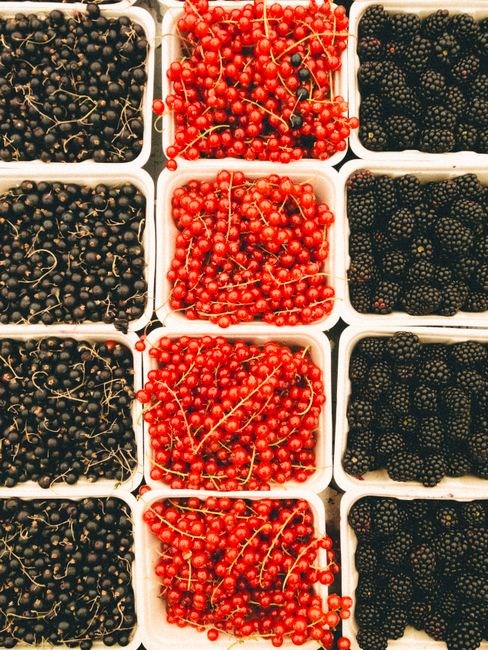
Limiting these foods helps maintain stable blood sugar, reduce inflammation, and support optimal digestion and overall well‑being.
Remember to consult a nutritionist before major changes todaynow.

Sample Meal Plan PDF
Download the comprehensive PDF to explore weekly menus, portion guides, and nutrient charts tailored for O Positive. It features balanced breakfast, lunch, dinner, and snack ideas that boost energy, support digestion, and promote healthy weight. Track macros, adjust portions, and stay on track daily!.
Week 1 Sample
Below is a concise, balanced week‑long plan tailored for individuals with the O‑Positive blood type. Each day begins with a protein‑rich breakfast that fuels the body for the morning’s activities. The lunch options combine lean meats, fresh vegetables, and whole‑grain staples to sustain energy levels without causing blood sugar spikes. Dinner meals emphasize nutrient‑dense foods such as fish, lean poultry, and a variety of greens, supporting muscle recovery and overall health. Throughout the day, the plan incorporates regular hydration and mindful snacking to keep metabolism steady and digestion smooth. Portion sizes are carefully calibrated to maintain a healthy metabolic rate and promote steady weight management. By following this structured yet flexible routine, you align your diet with the metabolic profile associated with the O‑Positive type, potentially enhancing athletic performance, improving gut health, and fostering long‑term wellness. The plan also encourages regular physical activity, adequate sleep, and stress‑management practices, all of which synergize with the dietary recommendations to optimize overall vitality. Whether you are an athlete, a busy professional, or someone looking to improve general health, this O‑Positive diet framework provides clear guidance on what foods to include, which ones to limit, and how to balance macronutrients for maximum benefit. The accompanying PDF offers detailed recipes, shopping lists, and meal prep tips to make implementation straightforward and sustainable. By integrating these principles into your daily routine, you can experience increased energy, better digestion, and a stronger sense of well‑being that reflects the unique needs of your blood type.

Week 2 Sample
Week 2 builds on the core principles of the O‑Positive diet, offering a fresh rotation of proteins and seasonal produce while maintaining the balanced macro‑ratio that supports optimal blood‑type metabolism. The daily rhythm remains consistent: a nutrient‑dense breakfast, a balanced lunch, and a restorative dinner, each paired with mindful hydration and strategic snacking. Monday begins with a spinach‑and‑egg scramble topped with feta, followed by almonds and orange juice. Lunch features grilled turkey over mixed greens, cherry tomatoes, and quinoa, while dinner offers baked salmon with lemon‑herb seasoning, roasted asparagus, and sweet potato. Tuesday’s breakfast is a Greek yogurt parfait with berries and chia seeds, lunch presents a hearty lentil soup with whole‑grain bread, and dinner consists of beef stir‑fry with broccoli, bell peppers, and tamari sauce. Wednesday introduces scrambled eggs with sautéed kale, a quinoa‑chickpea salad, roasted chicken thighs with spinach. Thursday offers oatmeal with banana and walnuts, tuna salad on romaine, and grilled shrimp with zucchini. Friday’s shake with whey, spinach, and mango, turkey‑hummus wrap, and baked cod with tomato‑caper sauce round out the week. Saturday’s veggie omelet, grilled chicken with Brussels sprouts, and lentil stew provide variety, while Sunday’s cottage cheese with pineapple, steak salad, and vegetable soup complete the cycle. Throughout, hydration is emphasized with water, herbal teas, and sparkling water, ensuring the diet remains balanced, satisfying, and aligned with the O‑Positive metabolic profile!!!

How to Download the PDF
To obtain the O Positive Blood Type Diet PDF, visit the official site, locate the download section, click the PDF link, and confirm your email address. The file will then be sent to your inbox or available for direct download. Enjoy your personalized plan! Download now for full guidance Enjoy
Official Sources
Below are trusted platforms where you can obtain the O Positive Blood Type Diet PDF. These sources are vetted for accuracy, up‑to‑date research, and user-friendly download processes. These sources are vetted for accuracy, up‑to‑date research, and user-friendly download processes.
- BloodTypeDiet.com – The primary site of Dr. Peter J. D’Adamo’s original work. Navigate to the “Resources” tab, select “PDF Downloads,” and enter your email to receive the file directly.
- Healthline.com – Offers a curated PDF that includes meal plans, grocery lists, and FAQ sections. Click “Download PDF” after signing in to your Healthline account.
- WebMD.com – Features a downloadable guide that integrates the blood‑type framework with general wellness tips. Search “O Positive Diet PDF” in the site’s search bar.
- Amazon Kindle Store – Purchase the e‑book version, which includes a PDF export option. After purchase, use the “Send to Kindle” feature to transfer the file to your device.
- Google Drive Public Links – Some nutrition blogs host the PDF in a shared folder. Verify the link’s authenticity by checking the author’s credentials and recent activity.
When downloading from third‑party sites, ensure the URL starts with “https://” and that the domain is reputable. If a link prompts for payment or a credit card for a free PDF, it is likely a scam. Always keep a backup copy on a secure cloud storage or external drive to avoid accidental loss
For official medical oversight, consult NIH’s Dietary Guidelines for Americans and AHA resources for blood‑type recommendations, ensuring cardiovascular safety.