
Service Exhaust Fluid System: A Comprehensive Guide
Understanding the system is crucial; refer to your owner’s manual for detailed guidance. Issues like poor fluid quality or heater malfunctions
(like P20B9) require attention, potentially covered under warranty.
Understanding the DEF System
The Service Exhaust Fluid (DEF) system is a critical component in modern diesel engines, specifically designed to reduce harmful nitrogen oxide (NOx) emissions. Understanding its operation is paramount for vehicle health and longevity. Your vehicle’s owner’s manual serves as the primary resource for grasping the specifics of your DEF system, including fluid type, fill locations, and warning indicators.
Modern diesel exhaust aftertreatment relies heavily on DEF. When issues arise, diagnostic trouble codes (DTCs) like P20B9 – indicating a reductant heater circuit issue – will illuminate. Addressing these promptly, potentially through procedures like a Reductant Quality Test (RFQT) as detailed in GM Service Information Document ID 2522607, is vital.
Tampering with the DEF system triggers specific DTCs, as outlined in SI Document 2410875. Maintaining DEF quality is also essential; poor fluid can trigger warnings. Remember, the DEF system operates independently from the Diesel Particulate Filter (DPF), though both contribute to overall emissions control.
What is Service Exhaust Fluid (DEF)?
Service Exhaust Fluid (DEF) is a non-toxic, colorless, and odorless fluid crucial for reducing NOx emissions in diesel engines. It’s a carefully engineered mixture of 32.5% high-purity urea and 67.5% deionized water. Consult your owner’s manual for the precise DEF specification recommended for your vehicle. Using incorrect fluid can lead to system malfunctions and costly repairs.
DEF works in conjunction with a Selective Catalytic Reduction (SCR) system. It’s injected into the exhaust stream, converting NOx into harmless nitrogen and water. Maintaining proper DEF levels is vital; a low DEF level can trigger warning lights and, eventually, engine derating.
Poor DEF quality can also cause issues, triggering diagnostic trouble codes and potentially requiring a Reductant Quality Test (RFQT). Remember, the DEF system is separate from the DPF, but both are integral to meeting emissions standards. Proper handling and storage, as detailed in your owner’s manual, are essential to prevent contamination.
The Role of DEF in Diesel Exhaust Aftertreatment
DEF plays a pivotal role in diesel exhaust aftertreatment systems, specifically within the Selective Catalytic Reduction (SCR) process. Modern diesel engines utilize SCR to significantly reduce harmful nitrogen oxide (NOx) emissions. Your owner’s manual provides specific details on your vehicle’s aftertreatment system and DEF’s function within it.
The SCR catalyst converts NOx into nitrogen and water using DEF as a reducing agent. This process is essential for meeting stringent emissions regulations. Without properly functioning DEF and SCR systems, vehicles may not comply with environmental standards.
Tampering with the DEF system, or using incorrect fluid, can trigger diagnostic trouble codes (DTCs) and potentially activate a warning strategy, as outlined in SI Document 2410875. Maintaining the system, including regular fluid checks and addressing issues like heater malfunctions (P20B9), is crucial for optimal performance and longevity.
DEF System Components: An Overview
The Service Exhaust Fluid (DEF) system comprises several key components working in unison. Consult your owner’s manual for a detailed diagram specific to your vehicle’s configuration. Core elements include the DEF tank, level sensors, a DEF pump, an injector, and a heater system – crucial for preventing freezing in colder climates.
NOx sensors continuously monitor exhaust emissions, providing feedback to the engine control module (ECM) to optimize DEF injection rates. A potential failure point, as seen with DTC P20B9, is the DEF heater, impacting system functionality.
Proper operation relies on a clean DEF tank and quality fluid. Issues can arise from contamination or tampering, triggering DTCs. Diagnostic tools like the Foxwell NT530 can aid in troubleshooting, while performance tuners (like Edge Evolution) can sometimes be used for resetting the system after addressing underlying problems.
DEF Tank and Level Sensors
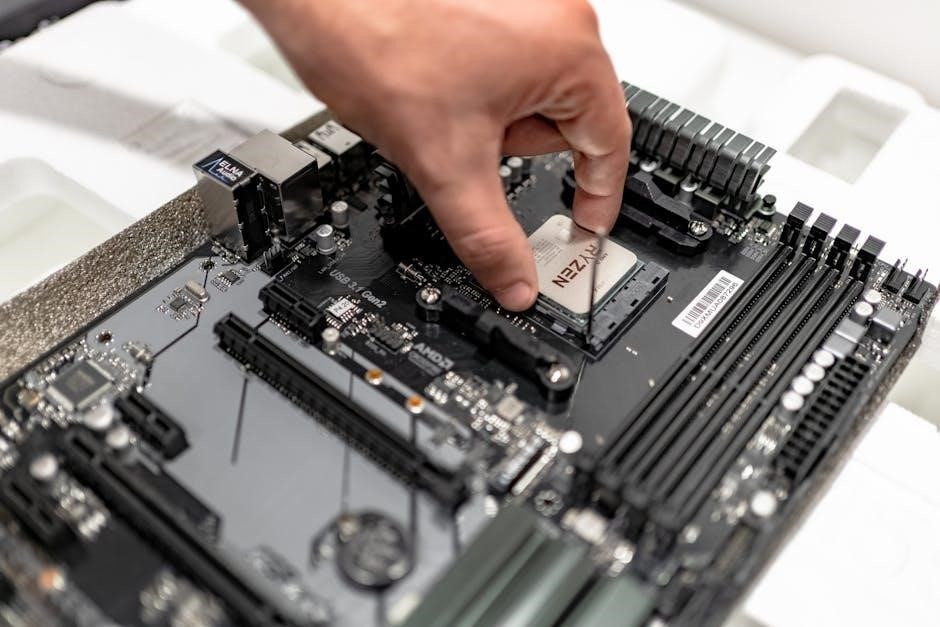
The DEF tank stores the Diesel Exhaust Fluid, a crucial component in reducing NOx emissions. Always refer to your owner’s manual for specific tank capacity and fluid type recommendations. Integrated level sensors continuously monitor the DEF volume, providing accurate readings to the driver and the vehicle’s control systems.
These sensors are vital for preventing the system from running out of DEF, which can lead to reduced engine performance or even a complete shutdown. Accurate readings are essential for proper system operation and avoiding unnecessary warning messages.
Issues can arise from sensor malfunction or contamination within the tank. Maintaining DEF tank cleanliness is paramount, as impurities can affect sensor accuracy and potentially damage the DEF pump. Regular inspection and adherence to recommended fluid quality standards, as outlined in service bulletins like GM Service Information Document ID 2522607, are key.
DEF Pump and Injector

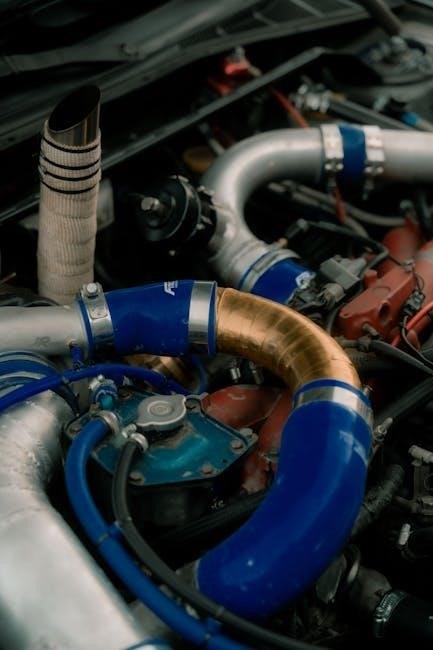
The DEF pump is responsible for delivering the Diesel Exhaust Fluid from the tank to the injector at a precise pressure. Consult your owner’s manual for details on the pump’s specifications and recommended maintenance intervals. The injector then atomizes the DEF and introduces it into the exhaust stream, where it reacts with NOx gases.
Proper pump and injector function are critical for optimal emissions reduction. Issues can stem from pump failure, injector clogging, or problems with the control circuitry. A malfunctioning pump can trigger diagnostic trouble codes (DTCs) and impact system performance.
Maintaining DEF fluid quality is paramount to prevent injector clogging. Poor quality fluid can lead to crystallization and blockage, hindering the system’s effectiveness. Referencing GM Service Bulletin 12-06-04-002c can provide insights into addressing fluid quality concerns and potential pump/injector issues.
DEF Heater System
The DEF heater system is vital, especially in colder climates, to prevent the DEF from freezing. Your owner’s manual details the heater’s operation and potential issues. Freezing DEF can obstruct the injector and disrupt the entire aftertreatment process, triggering fault codes like P20B9 – Reductant Heater A Control Circuit/Open.

Typically, Duramax systems employ multiple heaters to ensure DEF remains fluid. Testing each heater, as described in Chevy/GMC forum discussions, is crucial when diagnosing heater-related DTCs. A failed heater necessitates replacement to restore proper system functionality.
GM Service Information Documents (SI Documents), such as ID 2522607, provide detailed diagnostic procedures for the DEF heater system. Maintaining a functioning heater is essential for consistent emissions control and avoiding costly repairs. Proper heater operation ensures the DEF is adequately prepared for injection into the exhaust stream.
NOx Sensors: Monitoring Emissions
NOx sensors are critical components within the Service Exhaust Fluid (DEF) system, constantly monitoring the levels of Nitrogen Oxides (NOx) in the exhaust stream. Consult your owner’s manual for specific sensor locations and operational details. These sensors provide feedback to the Engine Control Module (ECM), ensuring the DEF system operates efficiently to reduce harmful emissions.
Accurate NOx sensor readings are essential for proper DEF injection. If the sensors detect excessive NOx, the ECM increases DEF dosage. Conversely, lower readings reduce DEF injection. Malfunctioning sensors can lead to inaccurate readings, triggering diagnostic trouble codes (DTCs) and potentially impacting vehicle performance.
Understanding the sensor’s role is vital for effective troubleshooting. GM Service Bulletins, like PIP4864Q, often address NOx sensor-related issues. Proper sensor function is directly linked to compliance with emissions regulations and maintaining optimal engine operation.
Common Issues and Diagnostic Trouble Codes (DTCs)
Several issues can plague the DEF system, triggering Diagnostic Trouble Codes (DTCs). A frequent concern is the P20B9 code, indicating a “Reductant Heater A Control Circuit/Open.” This often points to a faulty DEF fluid heater, as seen in reported cases where Heater 1 failed, necessitating replacement of the DEF Tank Reservoir System. Always refer to your owner’s manual for a comprehensive list of potential DTCs and their meanings.
DEF system tampering is another common trigger for DTCs, as detailed in SI Document 2410875. Poor exhaust fluid quality also generates codes, prompting a check of the fluid itself. Utilizing scan tools like the Foxwell NT530 can aid in diagnosing and clearing these codes, often after performing a Reductant Quality Test (RFQT/EFQT).
Remember, addressing DTCs promptly is crucial for maintaining emissions compliance and preventing further system damage.
P20B9: Reductant Heater A Control Circuit/Open
The P20B9 DTC signifies an issue within the Reductant Heater A control circuit, specifically an open circuit. This commonly indicates a failure of the DEF fluid heater itself. Diagnostic procedures, as reported in Chevy and GMC Duramax Diesel Forums, involve testing each DEF fluid heater (1, 2, and 3) individually.
In documented cases, Heater 1 was identified as the source of the fault, requiring replacement of the entire DEF Tank Reservoir System to resolve the issue and eliminate the code. Consult your owner’s manual for specific testing procedures and component locations related to the DEF heater system.
Proper heater function is vital for maintaining DEF fluid viscosity in cold temperatures, ensuring effective emissions reduction. Addressing this code promptly prevents further system complications and potential warranty concerns.
DEF System Tampering Detection (DTCs)
The Service Exhaust Fluid (DEF) system incorporates sophisticated tamper detection mechanisms. When the system identifies activity interpreted as tampering, it sets a Diagnostic Trouble Code (DTC) and displays a corresponding message. This is detailed in GM Service Information Document ID 2410875, outlining the warning strategy employed.
Tampering attempts can range from disabling components to altering system parameters. The system’s sensitivity aims to ensure compliance with emissions regulations. Refer to your owner’s manual for a comprehensive understanding of the DEF system’s operation and potential tamper-related warnings.

It’s crucial to avoid any modifications or interventions that could be flagged as tampering, as this may void warranty coverage and lead to operational issues. Understanding the system’s safeguards is key to maintaining its integrity and functionality.
Poor Exhaust Fluid Quality – What it Means
A “Poor Exhaust Fluid Quality” message indicates the DEF system has detected a deviation from acceptable fluid parameters. This doesn’t necessarily mean the fluid is contaminated, but it triggers a diagnostic assessment. Consult your owner’s manual for specific guidance on interpreting this message and recommended actions.
The system performs a Reductant Quality Test (RFQT) or Exhaust Fluid Quality Test (EFQT) – as outlined in GM Service Information Document ID 2522607 and Service Bulletins 12-06-04-002c & PIP4864Q – to evaluate fluid integrity. A failed test can illuminate the warning.
Factors influencing fluid quality include age, storage conditions, and potential contamination. Addressing this promptly is vital, as continued operation with substandard DEF can impact emissions control and potentially damage system components. A fluid replacement and system reset may be necessary.
Resetting the Service Exhaust Fluid System
Resetting the Service Exhaust Fluid System often becomes necessary after addressing issues like poor fluid quality or component replacements. Always refer to your owner’s manual for the manufacturer’s recommended procedure, as methods can vary.
Many owners have successfully utilized scan tools, such as the Foxwell NT530 Multi-System Scanner, to initiate a reset after clearing initial diagnostic trouble codes. Some, like those on Chevy/GMC forums, report success following a stock tune reload using performance tuners like Edge Evolution.
Performing a Reductant Fluid Quality Test (RFQT) or Exhaust Fluid Quality Test (EFQT) – detailed in GM Service Information Document 2522607 and Bulletins 12-06-04-002c/PIP4864Q – is frequently a crucial step prior to, or during, the reset process. A successful reset restores normal system operation and clears associated warning messages.
Using Scan Tools for DEF System Reset (Foxwell NT530 Example)
Employing scan tools significantly streamlines the DEF system reset process. The Foxwell NT530 Multi-System Scanner is a popular choice among Duramax owners for its comprehensive diagnostic and reset capabilities. After addressing underlying issues – such as replacing a faulty DEF tank or heater – the NT530 can be used to clear stored Diagnostic Trouble Codes (DTCs).
Crucially, before initiating a reset, ensure the system is functioning correctly. Some users report success after first clearing messages with a performance tuner (like Edge Evolution) by reloading the stock tune. The NT530 then facilitates a complete system reset, often requiring a Reductant Quality Test (RFQT) or Exhaust Fluid Quality Test (EFQT) as outlined in GM Service Information.

Refer to the NT530’s manual for specific navigation steps, but generally involves accessing the Diesel Exhaust Fluid system menu and selecting the reset function.
Reductant Quality Test (RFQT/EFQT) Procedure
The Reductant Quality Test (RFQT), also known as the Exhaust Fluid Quality Test (EFQT), is a vital step in resolving DEF system issues, particularly after repairs or persistent fault codes. GM Service Information Document ID 2522607, along with Service Bulletins 12-06-04-002c and PIP4864Q, detail the procedure.
This test assesses the purity and concentration of the DEF fluid. A failed RFQT/EFQT often triggers a “Poor Exhaust Fluid Quality” message. Performing this test typically requires a compatible scan tool capable of accessing the DEF system’s diagnostic functions. The scan tool initiates a self-test within the DEF system, evaluating the fluid’s properties.
Following a successful RFQT/EFQT, the system may automatically reset, or further code clearing with a scan tool might be necessary. Always consult your vehicle’s service manual for specific instructions and acceptable DEF fluid parameters.
Clearing Codes with Performance Tuners (Edge Evolution)
Performance tuners, such as the Edge Evolution, can sometimes be utilized to clear Diagnostic Trouble Codes (DTCs) related to the Service Exhaust Fluid (DEF) system. However, this should be approached cautiously and as a temporary measure, not a permanent fix.
Users have reported success in clearing DEF-related messages by reloading the stock tune on their Edge Evolution. This reverts the engine control module (ECM) to factory settings, potentially erasing the stored fault codes. It’s crucial to understand that simply clearing the codes doesn’t address the underlying issue causing them.
After clearing codes with a tuner, it’s highly recommended to perform a Reductant Quality Test (RFQT/EFQT) using a professional scan tool (like Foxwell NT530) to verify the DEF system’s functionality and ensure the problem is resolved. Refer to your owner’s manual for guidance.
Warranty Information and Coverage
The Duramax engine exhaust system, including the Service Exhaust Fluid (DEF) system, is typically covered under a specific warranty period. Issues like a malfunctioning DEF heater (as seen with DTC P20B9) may be eligible for repair under this warranty.
General Motors (GM) provides warranty details in the owner’s manual and through authorized dealerships. It’s essential to review these documents to understand the extent of coverage, including parts, labor, and any applicable deductibles. Warranty coverage can vary based on the vehicle’s model year and original purchase date.
GM Service Bulletins, such as 12-06-04-002c and PIP4864Q, often outline specific warranty procedures for DEF system repairs. Always consult your owner’s manual and a GM dealership to confirm warranty eligibility and the necessary steps for claiming coverage. Proper documentation and adherence to GM’s guidelines are crucial.
Duramax Engine Exhaust Warranty Details
The Duramax diesel engine’s exhaust system, encompassing the DEF system, benefits from a dedicated warranty designed to address potential issues. This coverage extends to components like the DEF tank, pump, injector, and crucially, the heaters – a common point of failure as indicated by DTC P20B9.

Warranty duration varies, but generally covers defects in materials or workmanship for a specified period from the original in-service date. GM Service Information Documents (SI) and Bulletins (like 2522607) detail specific coverage parameters and repair procedures.
It’s vital to note that warranty claims require proper documentation and diagnosis by an authorized GM dealer. Tampering with the DEF system, as detected by specific DTCs, may void warranty coverage. Refer to your owner’s manual for complete details regarding the Duramax exhaust system warranty, including exclusions and limitations.
GM Service Bulletins Related to DEF System
Several GM Service Bulletins (SBs) directly address common issues within the Service Exhaust Fluid (DEF) system, providing technicians with diagnostic and repair guidance. SB 12-06-04-002c is particularly relevant, detailing procedures for diagnosing and resolving DEF system concerns, including those related to fluid quality and heater functionality.
PIP4864Q offers further insight into DEF system operation and troubleshooting, often referencing specific Diagnostic Trouble Codes (DTCs) like P20B9 (Reductant Heater A Control Circuit/Open). These bulletins frequently emphasize the importance of performing a Reductant Fluid Quality Test (RFQT/EFQT) as a key diagnostic step.
Accessing these SBs is crucial for accurate repairs. They are typically available through GM’s service information system and provide detailed instructions, wiring diagrams, and component locations. Always consult the latest version of the applicable SB before attempting any DEF system repair, and remember to refer to your owner’s manual for general system information.
GM Service Information Documents (SI Documents)
GM Service Information (SI) Documents serve as a vital resource for in-depth technical details regarding the Service Exhaust Fluid (DEF) system. SI Document ID 2522607 specifically details the procedure for conducting a Reductant Fluid Quality Test (RFQT) or Exhaust Fluid Quality Test (EFQT), often recommended for resolving DEF-related issues;
SI Document 2410875 provides comprehensive information on DEF system tampering detection. It explains the warning strategies employed by the vehicle when a DTC is set, indicating potential interference with the system’s operation. Understanding these strategies is crucial for accurate diagnosis.
These documents offer detailed schematics, component locations, and diagnostic flowcharts not always found in service bulletins. Access to these SI documents typically requires a subscription to GM’s technical information portal. Remember to always consult your owner’s manual for basic system understanding before diving into these technical resources.
Preventative Maintenance for DEF Systems
Proactive maintenance is key to a reliable Service Exhaust Fluid (DEF) system. Regularly checking DEF fluid quality is paramount; contaminated or degraded fluid can trigger fault codes and reduce system efficiency. Maintaining DEF tank cleanliness prevents crystallization and potential pump or injector issues.
Avoid introducing contaminants into the DEF tank during filling. Use only high-quality DEF that meets ISO 22241 standards. Periodically inspect the DEF tank and lines for leaks or damage. Consult your owner’s manual for the recommended DEF replacement intervals, though these can vary based on usage and environmental conditions.
Addressing minor issues promptly, such as a loose DEF tank cap, can prevent more significant problems down the line. Remember that a properly functioning DEF system is crucial for emissions compliance and optimal engine performance. Ignoring preventative measures can lead to costly repairs.
Maintaining DEF Tank Cleanliness
Preserving DEF tank purity is vital for optimal system function. Crystallization of DEF fluid can occur, especially in colder climates or with prolonged storage, potentially clogging the pump and injector. Avoid introducing contaminants during refills – never use funnels that haven’t been dedicated solely to DEF.
Regularly inspect the DEF tank fill neck for any debris or foreign particles. While the system is designed to handle some particulate matter, excessive contamination accelerates crystallization. Refer to your owner’s manual for specific cleaning recommendations; some manufacturers advise against actively cleaning the tank unless absolutely necessary.
If contamination is suspected, a professional DEF system flush may be required. Ignoring tank cleanliness can lead to costly repairs and diagnostic trouble codes, such as those related to DEF heater malfunctions or fluid quality. Preventative measures are far more cost-effective than reactive fixes.
Checking DEF Fluid Quality
Maintaining high DEF fluid quality is paramount for effective emissions control. Deteriorated or contaminated DEF can trigger diagnostic trouble codes and compromise the entire aftertreatment system. Regularly assess the fluid for clarity and absence of visible particles. Cloudy or discolored DEF indicates potential degradation.
Perform a Reductant Quality Test (RFQT) or Exhaust Fluid Quality Test (EFQT), as outlined in GM Service Information Document ID 2522607 and Service Bulletins 12-06-04-002c and PIP4864Q. These tests verify the DEF’s concentration and purity. Consult your owner’s manual for recommended testing intervals and acceptable parameters.
Using a scan tool like the Foxwell NT530 can aid in assessing fluid quality and identifying potential issues. Poor DEF quality can manifest as reduced engine performance and increased emissions. Always use DEF meeting ISO 22241 standards to ensure compatibility and optimal system operation.
Avoiding DEF System Issues: Best Practices
Proactive maintenance is key to a reliable DEF system. Always refer to your owner’s manual for specific recommendations regarding fluid type and maintenance schedules. Avoid introducing contaminants during filling; use only dedicated DEF containers and nozzles.
Monitor for warning messages related to DEF levels or quality. Addressing these promptly can prevent more significant issues. Be cautious of DEF system tampering, as it can trigger diagnostic trouble codes (DTCs) and potentially void warranty coverage – see SI Document 2410875.
Ensure proper DEF fluid storage, protecting it from extreme temperatures and contamination. Regularly inspect the DEF tank and lines for leaks or damage. Utilize quality scan tools (like Foxwell NT530) for periodic system health checks and code clearing after addressing issues, potentially following a tune reload.
Advanced Topics & Related Systems
The DEF system doesn’t operate in isolation; its performance is intrinsically linked to other emission control components. Notably, the Diesel Particulate Filter (DPF) relies on efficient NOx reduction facilitated by the DEF system. Issues in one system can cascade, impacting the other’s functionality.
Understanding unsteady gas dynamics within the exhaust system is crucial for optimizing DEF effectiveness. Pulsating flows and localized heat transfer (as researched by Plotnikov L.V.) influence reagent mixing and decomposition. Convective heat transfer coefficients play a vital role in maintaining optimal DEF temperature.
Further investigation into exhaust system design, including flexible conduits for torsional joints, can improve overall system reliability. Consult your owner’s manual and relevant service information documents (like GM Service Bulletin 12-06-04-002c) for a comprehensive understanding of these interconnected systems.
DEF System and Diesel Particulate Filter (DPF) Interaction
The Service Exhaust Fluid (DEF) system and the Diesel Particulate Filter (DPF) are integral components of modern diesel exhaust aftertreatment. A properly functioning DEF system directly contributes to DPF longevity by reducing NOx emissions, which can contribute to particulate matter formation. Conversely, a clogged DPF can indirectly impact DEF system performance.
Effective NOx reduction minimizes soot loading on the DPF, extending intervals between regeneration cycles. Failure of the DEF system – indicated by codes like those addressed with a Foxwell NT530 scan tool – can lead to increased soot accumulation and potential DPF plugging.
Refer to your owner’s manual for specific guidance on maintaining both systems. Ignoring DEF-related issues can trigger a cascade of problems, ultimately affecting DPF health and potentially requiring costly repairs. Understanding this interplay is vital for preventative maintenance and optimal engine performance.
Unsteady Gas Dynamics in Exhaust Systems
Exhaust systems experience unsteady gas dynamics due to the pulsating nature of engine combustion. These fluctuations impact the performance of the entire aftertreatment system, including the Service Exhaust Fluid (DEF) components. Understanding these dynamics is crucial for optimizing DEF injection and NOx reduction efficiency.
Pulsating flows affect convective heat transfer within the exhaust, influencing DEF heater operation and preventing crystallization. As noted in research by Plotnikov, analyzing these flows is essential for accurate modeling and design. Proper system function, as detailed in your owner’s manual, ensures optimal gas flow and temperature management.
Ignoring DEF system issues can exacerbate unsteady flow problems, potentially leading to sensor inaccuracies and reduced DPF regeneration effectiveness. Maintaining a healthy DEF system, through regular checks and adherence to recommended procedures, contributes to stable exhaust gas dynamics and overall engine health.
Convective Heat Transfer in Exhaust Systems

Effective convective heat transfer is vital for maintaining the Service Exhaust Fluid (DEF) system’s operational temperature. The DEF heater, crucial for preventing crystallization, relies heavily on this process. As highlighted by Plotnikov’s research, accurately estimating the convective heat transfer coefficient is key to optimizing exhaust system design and performance.
Fluctuations in exhaust gas temperature, stemming from unsteady gas dynamics, directly impact DEF heater efficiency. Consult your owner’s manual for guidance on maintaining optimal DEF fluid levels and quality, as these factors influence heat transfer. A malfunctioning heater (like a P20B9 code indicates) disrupts this balance.
Poor heat transfer can lead to DEF freezing, causing system blockages and triggering diagnostic trouble codes. Regular system checks, as outlined in GM service information documents, are essential. Ensuring proper heat transfer contributes to reliable NOx reduction and compliance with emissions standards.