JBL Speaker User Guide: A Comprehensive Overview (Updated 03/08/2026)
Welcome! This comprehensive guide details installation, troubleshooting, and maximizing your JBL speaker experience, offering step-by-step instructions for optimal performance.
Congratulations on choosing a JBL speaker! Established in 1946, JBL boasts a rich history of audio excellence, initially focusing on professional-grade sound systems for venues like the People’s Great Hall and the Sydney Opera House. Today, JBL seamlessly blends this expertise with consumer-friendly designs.
This guide is designed to help you unlock the full potential of your new speaker. Whether you’ve opted for a portable model like the Go 4, a powerful option like the Partybox Encore, or the Charge 5, you’re investing in a brand renowned for quality and innovation. JBL consistently ranks among the top portable Bluetooth speaker brands.
We’ll cover everything from initial setup and Bluetooth pairing to advanced features like JBL Connect and PartyBoost, ensuring a premium listening experience.
Unboxing and Initial Setup
Carefully unpack your JBL speaker and verify all components are present. Typically, this includes the speaker itself, a charging cable (often USB-C), and this user manual. Before first use, it’s recommended to fully charge the speaker. Connect the charging cable to the speaker and a power source.
Charging indicators will illuminate, signaling the charging process (see the ‘Battery Life and Charging’ section for details). While charging, familiarize yourself with the speaker’s controls and button layout. Once charged, power on the speaker by pressing the power button.
Your speaker is now ready for Bluetooth pairing! Refer to the ‘Bluetooth Pairing’ section for a step-by-step guide to connecting your smartphone or tablet. Enjoy your new JBL speaker!
Understanding JBL Speaker Models
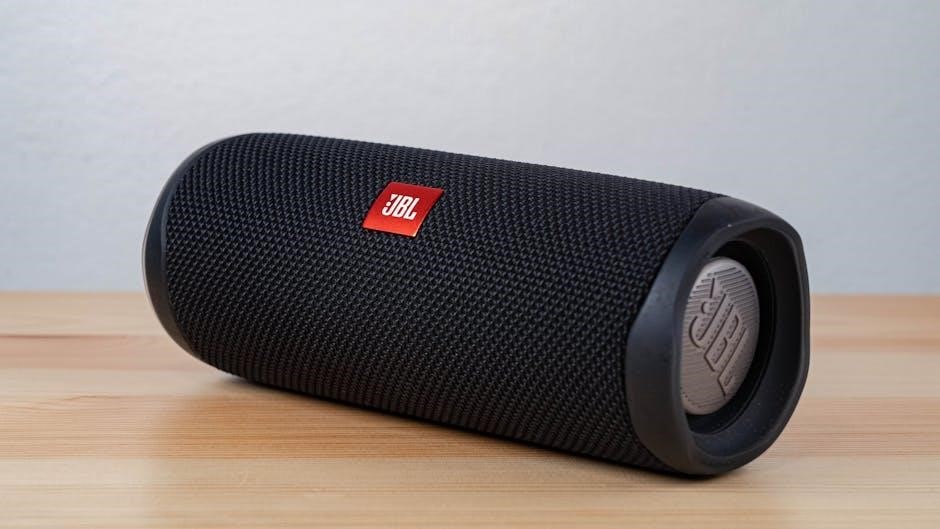
JBL offers a diverse range of speakers tailored to various needs. The Charge 5 is renowned for its robust battery life and powerful sound, ideal for outdoor adventures. For ultimate portability, the Go 4 provides a compact design with vibrant colors, perfect for on-the-go listening.
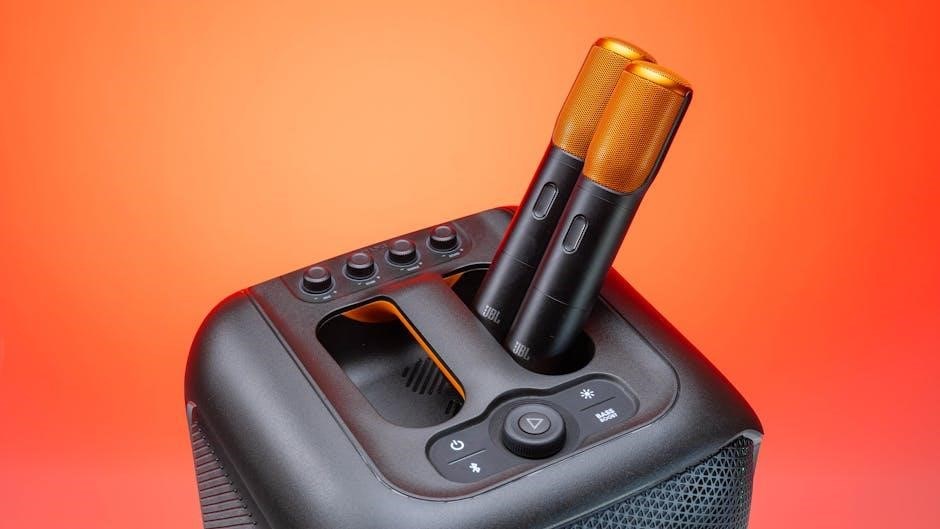
If you’re seeking a party-ready powerhouse, the Partybox Encore delivers impressive sound and dynamic lighting effects. Each model boasts unique features; some prioritize portability, while others emphasize sound quality or party capabilities.
Consider your intended use when selecting a JBL speaker; Explore the specifications of each model to determine which best suits your lifestyle and audio preferences. Further details on specific models can be found on the JBL website.
Popular Models: Charge 5, Go 4, Partybox Encore
The Charge 5 excels with its long-lasting battery and impactful bass, making it a favorite for outdoor use. Its waterproof design adds to its versatility. JBL’s Go 4 stands out with its ultra-portable size and eye-catching color options, perfect for everyday carry. Despite its small form, it delivers surprisingly clear audio.
For larger gatherings, the Partybox Encore is a standout. Featuring Bluetooth 5.4, it provides a dynamic light show and powerful sound projection. These models represent JBL’s commitment to diverse audio solutions, catering to various lifestyles and preferences. Each offers a unique blend of features and performance.
Powering On and Off
Powering on your JBL speaker is typically achieved by long-pressing the power button, often indicated by a power symbol; A visual cue, like an illuminated LED, confirms activation. To power off, repeat this process – a sustained press of the power button until the speaker shuts down.
Some models feature automatic power-off functionality after a period of inactivity, conserving battery life. Ensure the speaker is adequately charged before initial use for optimal performance. Always check the specific model’s documentation, as button locations and procedures can vary slightly. Proper power management extends the lifespan of your JBL speaker.
Bluetooth Pairing: A Step-by-Step Guide
Step 1: Ensure your JBL speaker is powered on and in pairing mode – often indicated by a flashing Bluetooth icon. Step 2: On your smartphone or tablet, navigate to the Bluetooth settings menu and enable Bluetooth. Step 3: The speaker should appear in the list of available devices; select it to initiate pairing.
If prompted, enter the pairing code (usually “0000”). Successful pairing is confirmed by a solid Bluetooth indicator on the speaker and a connection message on your device. Troubleshooting connection issues? Ensure the speaker isn’t already connected to another device and is within range.
Connecting to Smartphones and Tablets
iOS Devices: Navigate to “Settings” then “Bluetooth.” Your JBL speaker will appear in the “Other Devices” list. Select it to pair. Once connected, it will appear under “My Devices.” Enjoy seamless audio streaming from Apple Music, Spotify, or other apps.
Android Devices: Access “Settings” then “Connections” (or similar, depending on your device). Enable Bluetooth and scan for available devices. Select your JBL speaker from the list. Confirm pairing if prompted. Android offers broad compatibility, ensuring a smooth connection for music and podcasts. Remember to keep your device within Bluetooth range for uninterrupted playback.
Troubleshooting Bluetooth Connection Issues
Pairing Problems: Ensure Bluetooth is enabled on both your device and the speaker. Delete previous pairings from both devices and re-attempt the connection process. Restarting both devices can often resolve conflicts.
Interference: Bluetooth signals can be disrupted by other wireless devices. Move away from potential sources of interference like microwaves or other Bluetooth devices. Ensure the speaker and your device are within the recommended Bluetooth range (typically 30 feet/10 meters).
Speaker Not Discoverable: Verify the speaker is in pairing mode (usually indicated by a flashing light). Consult your speaker’s manual for specific instructions on activating pairing mode.
JBL Speaker Controls and Buttons
Power Button: Typically a long press activates or deactivates the speaker. A short press may display battery status.
Bluetooth Button: Initiates pairing mode, allowing connection to your smartphone or tablet. Some models use this for voice assistant activation.
Volume Controls (+/-): Adjust the speaker’s audio output. These buttons often double as track skipping controls when pressed and held.
Play/Pause Button: Controls music playback. A single press usually pauses or resumes the current track. Some models support call management.
JBL Connect/PartyBoost Button: Enables pairing with other compatible JBL speakers for a synchronized audio experience.
Sound Customization: EQ Settings
Personalize Your Audio: Many JBL speakers offer customizable EQ (Equalization) settings via the JBL Portable app. These settings allow you to fine-tune the sound profile to your preferences.
Preset Options: The app typically includes preset EQ modes like “Bass Boost,” “Vocal,” or “Flat” for quick adjustments. Experiment to find what suits your music genre best.
Manual Adjustment: For advanced users, manual EQ controls provide granular control over specific frequency bands. Adjust these sliders to enhance or reduce certain sounds.
Frequency Response: Understanding your speaker’s frequency response (e.g., JBL GO2: 180Hz-20kHz) helps tailor EQ settings for optimal clarity and balance.
JBL Portable App: Features and Functionality
Unlock Full Potential: The JBL Portable app is central to maximizing your speaker’s capabilities. It provides a user-friendly interface for controlling various settings and features.
EQ Customization: As mentioned, the app allows for detailed EQ adjustments, including preset modes and manual frequency band control, tailoring sound to your liking.
Firmware Updates: Regularly check the app for firmware updates to ensure your speaker has the latest features and bug fixes, maintaining optimal performance.
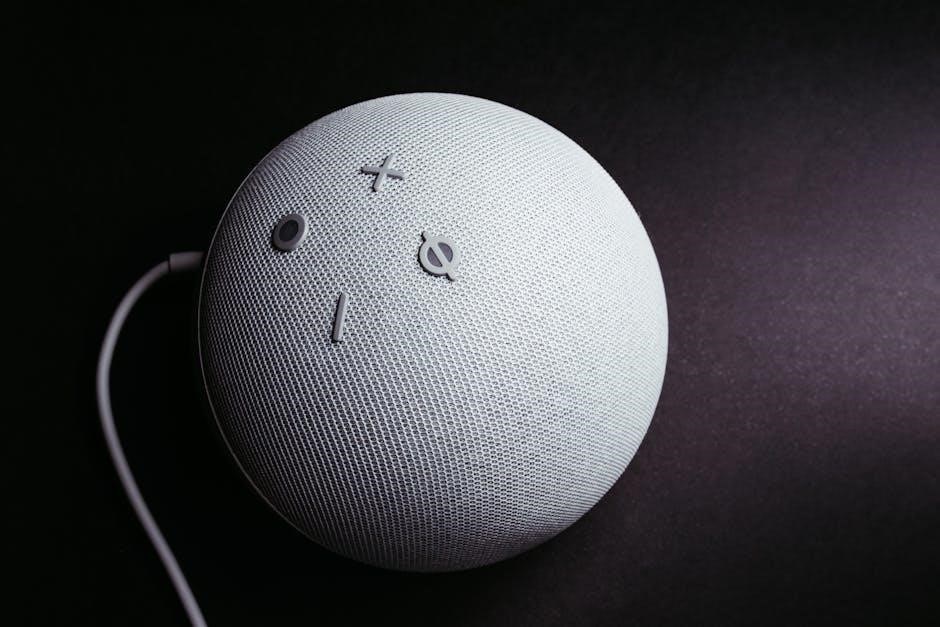
Multi-Speaker Control: Manage JBL Connect & PartyBoost pairings directly within the app, easily syncing multiple speakers for a wider soundstage.
Waterproofing and Durability (Specific Models)
Built for Adventure: Many JBL speakers, like the Charge 5 and Go 4, boast impressive waterproofing and durability. These features allow for worry-free use in various environments.
IP Ratings Explained: Understand the IP rating of your specific model. For example, IPX7 signifies protection against immersion in up to 1 meter of water for 30 minutes.
Dust Resistance: Certain models also offer dust resistance, making them ideal for outdoor activities like beach trips or hikes. Always check the product specifications.
Care & Maintenance: While durable, avoid extreme conditions and regularly clean your speaker to maintain its protective properties. Rinse with fresh water after saltwater exposure.
Battery Life and Charging
Powering Your Sound: JBL speakers offer varying battery life depending on the model and usage volume. Expect up to 20 hours from models like the Charge 5, and around 12 hours from the Go 4.
Charging Indicators: Pay attention to the charging indicators – typically LED lights – to monitor the charging progress. Solid lights often indicate a full charge, while blinking lights signal charging.
Charging Times: Full charging times vary, but generally range from 2.5 to 4 hours using a 5V/3A power adapter. Using lower wattage adapters will extend charging duration.

Maximizing Performance: Avoid extreme temperatures during charging and storage to preserve battery health. Regularly using the speaker helps maintain optimal battery capacity.
Charging Indicators and Times
Decoding the Lights: JBL speakers utilize LED indicators to communicate charging status. A solid red light typically signifies the speaker is charging, while a pulsing or blinking red light may indicate a low battery.
Full Charge Confirmation: Once fully charged, the LED usually turns solid green or blue, depending on the model. Some speakers automatically turn off the indicator light when fully charged.
Typical Charging Durations: Expect approximately 2.5 to 4 hours for a full charge using a 5V/3A power adapter. Charging times increase with lower wattage adapters.
Quick Charge Capabilities: Certain models support fast charging, providing several hours of playback with just a short charging period. Refer to your specific model’s documentation.
Maximizing Battery Performance
Volume Control is Key: Lowering the volume significantly extends battery life. High volumes drain power rapidly, reducing playtime considerably.
EQ Settings Matter: Utilizing the EQ settings within the JBL Portable App to reduce bass boost can conserve energy. Bass-heavy audio requires more power.
Bluetooth Efficiency: Maintaining a stable Bluetooth connection minimizes power consumption. Avoid obstructions between the speaker and source device.
Storage Conditions: Store your speaker in a cool, dry place when not in use. Extreme temperatures can negatively impact battery health over time.
Regular Charging Habits: Avoid letting the battery completely drain frequently; partial charges are generally better for long-term battery lifespan.
JBL Connect & PartyBoost: Multi-Speaker Pairing
Amplify Your Sound: JBL Connect (older models) and PartyBoost (newer models like Charge 5 and Partybox Encore) allow seamless pairing of compatible JBL speakers for a more immersive audio experience.
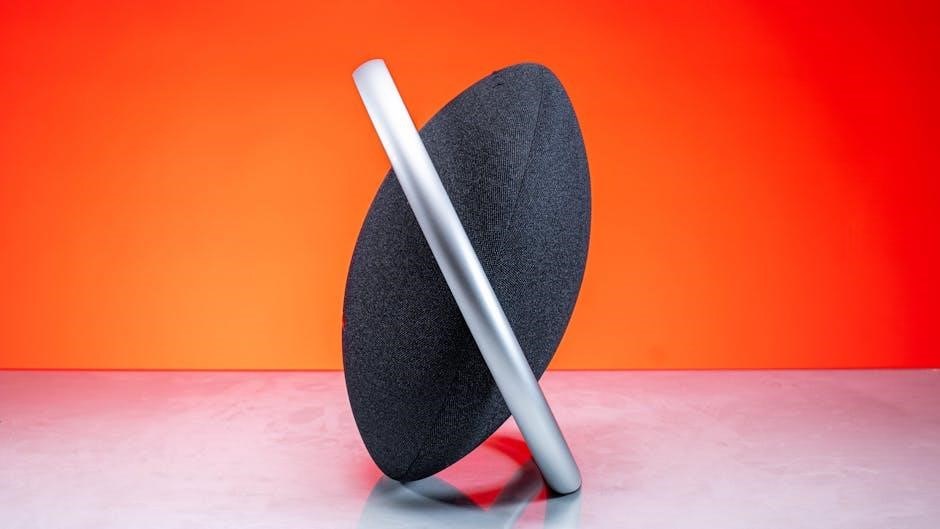
PartyBoost Functionality: With PartyBoost, synchronize multiple speakers to play the same music simultaneously, creating a wider soundstage and increased volume.
Pairing Process: Initiate PartyBoost through the JBL Portable App. Ensure speakers are compatible and within range for a stable connection.
Connect Limitations: JBL Connect has limitations on the number of speakers that can be connected simultaneously. PartyBoost generally supports more.
Stereo Pairing: Some models support stereo pairing, creating a left and right channel for enhanced sound separation and a wider listening area.
Voice Assistant Integration (If Applicable)
Hands-Free Control: Certain JBL speaker models offer integration with voice assistants like Google Assistant or Amazon Alexa, enabling hands-free control of your music and smart home devices.
Activation & Setup: Activation typically involves linking your JBL speaker to your voice assistant account through the JBL Portable App. Follow the in-app instructions for a seamless setup.
Voice Commands: Once connected, use voice commands to play music, adjust volume, skip tracks, check the weather, and more.
Compatibility: Voice assistant compatibility varies by model. Check your speaker’s specifications to confirm supported assistants.
Privacy Considerations: Be mindful of privacy settings and data collection policies associated with your chosen voice assistant.
JBL Kids Headphones: Volume Limiting Features
Safe Listening for Young Ears: JBL Kids headphones, part of the JR series, prioritize children’s hearing health with built-in volume limiting technology. These headphones ensure sound levels remain below 85dB, a safe threshold recommended by audiologists to protect developing ears.
Parental Peace of Mind: This feature provides parents with reassurance, knowing their children are enjoying audio content at a safe volume, preventing potential hearing damage.
High-Quality Sound: Despite volume limitations, JBL Kids headphones maintain JBL’s signature high-quality sound, delivering a clear and enjoyable listening experience.
Durable Design: Constructed with durability in mind, these headphones are designed to withstand the rigors of everyday kid use.
Understanding Speaker Frequency Response
Decoding Audio Range: Frequency response defines the range of frequencies a speaker can reproduce, measured in Hertz (Hz). A wider range generally indicates a more complete sound reproduction. The JBL GO2, for example, boasts a frequency response spanning from 180Hz to 20kHz.
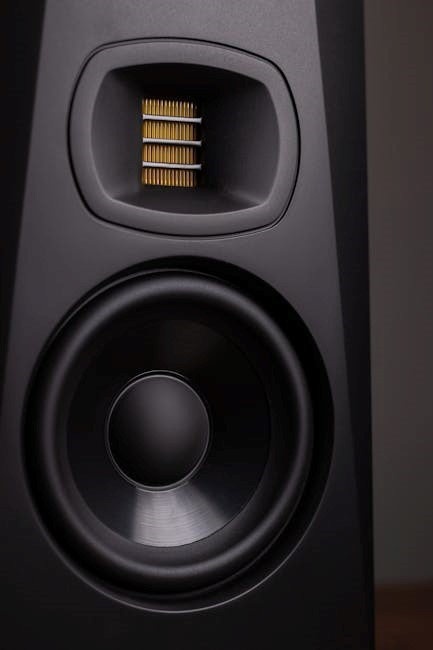
Low-End and High-End: Lower frequencies (like 180Hz) represent bass, providing depth and richness. Higher frequencies (up to 20kHz) deliver clarity and detail in treble sounds.
Sound Characteristics: The GO2’s range ensures a “thick” and natural sound, avoiding a “thin” or “hollow” quality. Vocals remain clear and distinct within this spectrum.
Impact on Listening: Understanding frequency response helps users choose speakers suited to their preferred music genres and listening preferences.
JBL GO2 Frequency Characteristics
Detailed Audio Profile: The JBL GO2 excels with a frequency response ranging from 180Hz to 20kHz. This specification dictates the audible spectrum the speaker can accurately reproduce, impacting overall sound quality.
Bass Response: The 180Hz lower limit signifies the GO2 delivers noticeable, though not deeply profound, bass frequencies. This provides a foundational layer to music without overwhelming other elements.
Treble Clarity: The 20kHz upper limit ensures crisp and detailed high-frequency sounds, contributing to clear vocals and instrument separation.
Sound Signature: This range creates a balanced sound signature, avoiding muddiness or harshness, resulting in a natural and enjoyable listening experience.
JBL Speaker Design and Aesthetics
Iconic & Modern Styles: JBL speakers blend functionality with striking visual appeal. From the portable GO series’ compact form to the larger Partybox Encore, designs cater to diverse preferences.
Retro Inspiration: The JBL Music Se A300 draws heavily from the legendary L100 Century series, featuring a black body accented by a gold trim and signature Quadrex foam grille.
Visual Impact: This grille isn’t merely aesthetic; it enhances the speaker’s visual appeal while contributing to optimal acoustic performance.
Color Variety: Many models, like the GO4, boast vibrant color options and a sleek, square design, making them fashionable accessories.
The JBL L100 Century Inspired Designs (A300)
A Nod to Heritage: The JBL A300 Bluetooth speaker beautifully reimagines the iconic JBL L100 Century, a celebrated design from JBL’s storied past. It’s a tribute to classic audio aesthetics.
Classic Elements: The A300 features a striking black, integrated body complemented by a sophisticated gold-tone frame and the instantly recognizable JBL logo, evoking a sense of vintage charm.
Quadrex Grille: The signature Quadrex foam grille isn’t just visually appealing; it plays a crucial role in the speaker’s acoustic performance, enhancing sound quality.
Modern Integration: This design seamlessly blends retro aesthetics with modern Bluetooth connectivity, offering a timeless look with contemporary functionality.
JBL’s History and Expertise
A Legacy of Sound: Founded in 1946, JBL has a rich history rooted in professional audio. Initially focused on cinema and venue sound systems, JBL quickly became a leader in speaker technology.
Professional Roots: JBL’s expertise extends to iconic locations like the People’s Great Hall, the Sydney Opera House, and the Shanghai Grand Theatre, demonstrating their commitment to superior audio quality.
Innovation & Research: JBL boasts a world-class research and development team, operating four of the only six anechoic chambers in the United States, ensuring cutting-edge acoustic innovation.
A Sound Authority: JBL is renowned as a brand that truly understands sound, blending professional-grade technology with consumer-friendly products for an exceptional listening experience.
Warranty Information and Support
Protecting Your Investment: JBL stands behind its products with a standard warranty, covering defects in materials and workmanship. Specific warranty durations vary by product and region; please consult your purchase documentation for details.
Localized Support: For Chinese customers, JBL’s official website provides comprehensive localized support, including product information, online purchasing options, and dedicated after-sales service.
Accessing Support: Should you encounter any issues, visit the official JBL website for FAQs, troubleshooting guides, and contact information for customer support representatives.
Online Resources: Utilize JBL’s online resources for assistance, ensuring a smooth and satisfying ownership experience. Register your product online to streamline any warranty claims.
Troubleshooting Common Issues
Addressing Sound Problems: If you experience sound distortion or static, first ensure your audio source is functioning correctly. Check the speaker’s volume level and try a different audio cable if applicable.
Bluetooth Connectivity: For Bluetooth connection issues, verify Bluetooth is enabled on both your speaker and device. Try forgetting and re-pairing the devices. Ensure no obstructions interfere with the signal.
Power Issues: If the speaker won’t power on, confirm it’s adequately charged. Try a different charging cable and power adapter. A full charge may be required for initial use.
Resetting Your Speaker: As a last resort, consult the JBL website for instructions on performing a factory reset, which can resolve many software-related problems.
Sound Distortion and Static
Identifying the Cause: Sound distortion and static often stem from a low battery, a faulty audio source, or interference. Begin by verifying the audio source is functioning correctly and isn’t the origin of the issue.
Volume Levels: Excessive volume can cause distortion. Reduce the volume on both the speaker and the connected device. Test at lower levels to see if the distortion disappears.
Cable Connections: If using a wired connection, ensure the audio cable is securely plugged into both the speaker and the source device. Try a different cable to rule out a faulty connection.
Environmental Factors: Wireless interference from other devices can cause static. Move the speaker away from potential sources of interference, like microwaves or other Bluetooth devices.
Purchasing and Localized Support (China)
Official Channels: For customers in China, purchasing directly from the official JBL China website ensures authenticity and access to localized support services. This site provides comprehensive product information in Chinese, alongside online purchasing options.
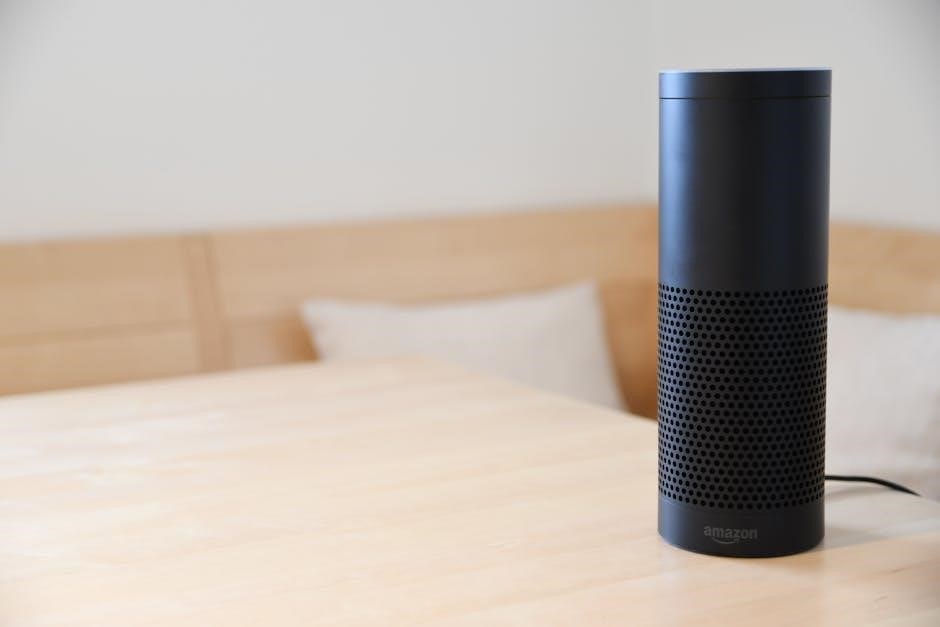
Localized Website Features: The JBL China website is specifically designed for the Chinese market, offering detailed product descriptions, customer service resources, and warranty information tailored to local regulations.
Support Access: Localized support includes dedicated customer service representatives fluent in Mandarin, readily available to assist with any inquiries or technical issues. This ensures a seamless user experience.
Authorized Retailers: Alternatively, purchase from authorized JBL retailers within China to guarantee genuine products and benefit from local warranty coverage.
Firmware Updates and Maintenance
Regular Updates: Maintaining your JBL speaker’s firmware is crucial for optimal performance and access to the latest features. JBL periodically releases updates addressing bug fixes, enhancing compatibility, and improving overall sound quality.
Update Process: Utilize the JBL Portable app to check for and install available firmware updates. Ensure your speaker is connected to a stable Wi-Fi network and sufficiently charged during the update process.
Importance of Updates: Firmware updates often include improvements to Bluetooth connectivity, voice assistant integration, and battery management, extending the lifespan of your device.
Maintenance Tips: Regularly check the JBL website or app for update notifications. Following these steps ensures your speaker remains current and functions at its best.
Safety Precautions
Important Warnings: To ensure safe operation, avoid exposing your JBL speaker to extreme temperatures or humidity. Do not disassemble or attempt to repair the speaker yourself, as this could result in electric shock or damage.
Water Exposure: While some models are waterproof, avoid submerging the speaker beyond its specified depth rating. Ensure all ports and covers are securely sealed before exposing it to water.
Battery Safety: Do not incinerate the battery or expose it to high temperatures. Use only the provided JBL charger to avoid damaging the battery or creating a fire hazard.
Listening Habits: Prolonged exposure to loud volumes can damage your hearing. Use responsible listening levels and take regular breaks.
Cleaning and Care
Routine Maintenance: To maintain your JBL speaker’s appearance and performance, regularly wipe the exterior with a soft, dry cloth. Avoid using abrasive cleaners or solvents, as these can damage the finish.
Port Protection: Keep the charging port and any other openings free from dust and debris. Use a soft brush or compressed air to gently remove any obstructions.
Waterproof Models: If your speaker is waterproof, rinse it with fresh water after exposure to saltwater or chlorinated water. Ensure all ports are sealed before rinsing.
Storage: When not in use, store your speaker in a cool, dry place away from direct sunlight and extreme temperatures. Proper storage extends the lifespan of your device.