
Frindle PDF Book: A Comprehensive Guide (Updated 01/23/2026)
Discover a wealth of resources for accessing “Frindle” in PDF format, including chapter summaries, quizzes, and worksheets. Explore legitimate sources and
free online options for this beloved novel, updated as of today, January 23, 2026.
“Frindle,” penned by the acclaimed author Andrew Clements, is a captivating children’s novel that explores the playful power of language and the fascinating origins of words. Published in 1996, this engaging story centers around Nick Allen, a fifth-grader with a mischievous streak and a penchant for challenging conventions. Nick’s seemingly simple act of inventing a new word for “pen”—“frindle”—sets off a chain reaction that ripples through his school and community.
The narrative cleverly examines how language evolves and the impact one individual can have on shaping communication. It’s a story that resonates with young readers, sparking curiosity about etymology and encouraging creative thinking. Beyond its entertainment value, “Frindle” subtly introduces concepts of linguistics and the social dynamics surrounding language adoption. The book’s enduring popularity stems from its relatable characters, witty dialogue, and thought-provoking premise.
Numerous resources, including readily available PDF versions, make “Frindle” accessible for educational purposes and independent reading. The story’s core message—that words have power and can be molded by those who use them—continues to inspire readers of all ages.
The Author: Andrew Clements
Andrew Clements is a highly celebrated American author specializing in children’s and young adult literature. Born in 1949, he initially pursued a career in journalism before dedicating himself to writing full-time. He’s renowned for crafting intelligent, engaging stories that often explore themes of creativity, individuality, and the power of ideas – all hallmarks present in “Frindle.”
Clements didn’t begin writing for children until later in life, publishing his first novel in 1999. He quickly gained recognition for his realistic portrayals of school life and his ability to connect with young readers on an intellectual and emotional level. His works frequently appear on recommended reading lists and have garnered numerous awards and accolades.
While “Frindle” remains his most famous work, Clements boasts an impressive bibliography including titles like “No Talking,” and “Lunch Money.” Many of his books, including a PDF version of “Frindle”, are widely available for educational use, fostering a love of reading and critical thinking in classrooms worldwide. His legacy lies in inspiring a generation of readers and writers.
Frindle: A Summary of the Plot
“Frindle” centers around Nick Allen, a mischievous fifth-grader with a penchant for challenging authority and a remarkable imagination. During a language arts lesson, Nick questions why a pen is called a “pen” and playfully decides to invent a new word for it: “frindle.” This seemingly innocent act sparks a linguistic revolution within his school and beyond.
Initially, Nick’s teacher, Mrs. Granger, attempts to discourage his word creation, but Nick’s persistence and the enthusiastic adoption of “frindle” by his classmates prove surprisingly effective. The new word spreads rapidly, gaining traction throughout the school and eventually attracting media attention. The story follows Nick’s journey as he navigates the consequences of his linguistic innovation.
The plot explores themes of language, creativity, and the power of individual expression. A PDF copy allows readers to follow Nick’s clever strategies and the escalating “frindle” phenomenon. Ultimately, “Frindle” is a heartwarming tale about how one boy’s playful act can challenge conventions and leave a lasting impact on language itself.
Key Characters in Frindle
Nick Allen, the protagonist, is a creative and rebellious fifth-grader who initiates the “frindle” phenomenon with his inventive spirit. He’s a clever strategist, constantly challenging norms and observing the impact of his actions. Accessing a PDF version of the book allows a closer examination of his motivations.
Mrs. Granger, Nick’s language arts teacher, initially represents authority and attempts to suppress Nick’s linguistic innovation. However, she possesses a hidden appreciation for language and a subtle curiosity about the unfolding events. Her character arc is fascinating to follow.
Linnie Owens is one of the first students to embrace “frindle,” becoming a key supporter and spreading the word throughout the school. She embodies the enthusiasm and adaptability of the younger generation.
Peter Ralston, Nick’s friend, provides a contrasting perspective, initially skeptical but eventually acknowledging the power of “frindle.” These characters, vividly portrayed within the PDF text, drive the narrative and explore the themes of language and creativity.
Why is “Frindle” Popular with Young Readers?
“Frindle” resonates deeply with young readers due to its relatable protagonist, Nick Allen, who challenges authority in a playful and inventive way. The story’s central conflict – a student coining a new word – sparks curiosity and encourages creative thinking. A PDF copy allows students to easily annotate and revisit these inspiring moments.
The novel’s exploration of language is engaging and accessible, demonstrating how words gain meaning through usage and acceptance. It subtly introduces concepts of etymology and linguistics without being didactic. This makes learning fun!
Furthermore, the fast-paced plot and humorous tone keep readers captivated. The gradual spread of “frindle” throughout the school creates a sense of excitement and participation. Reading the PDF version facilitates group discussions and shared analysis.
Ultimately, “Frindle” celebrates individuality, creativity, and the power of language, making it a timeless classic for middle-grade readers.
Finding a “Frindle” PDF: Legitimate Sources
Locating a legitimate “Frindle” PDF requires caution to avoid copyright infringement. While numerous websites offer downloads, verifying their legality is crucial. Simon & Schuster, the publisher, doesn’t directly offer a free PDF, but authorized retailers often provide access with purchase.
Educational institutions frequently utilize digital versions through licensed platforms like Epic! or ClassDojo. These subscriptions ensure legal access for students and teachers. Checking your school or library’s digital resources is a great first step.
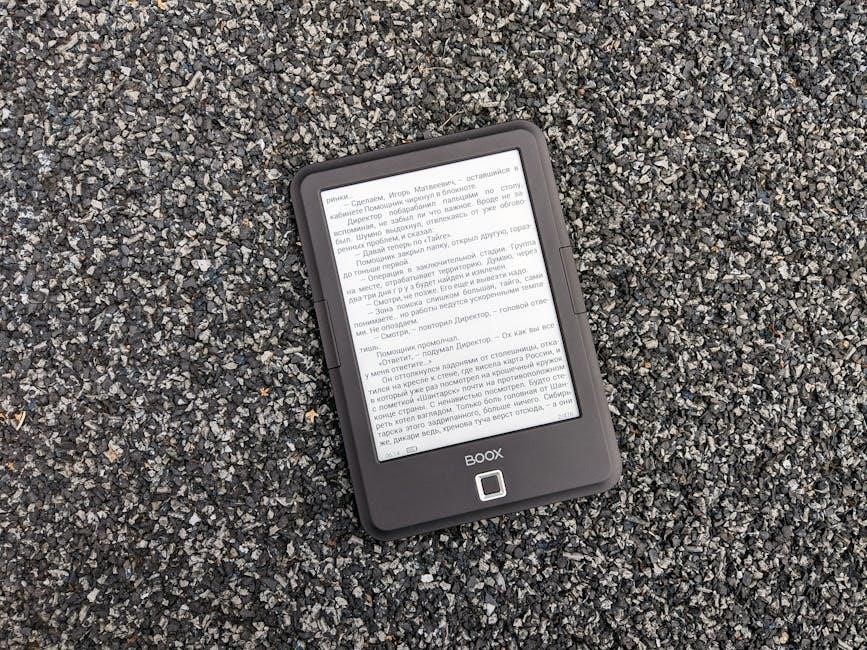
Beware of sites promising free downloads that appear suspicious or contain malware. Always scan downloaded files with antivirus software. Websites like show-master.ru, mentioned in online searches, should be approached with extreme caution regarding their legitimacy.
Prioritizing legal sources supports the author and publisher, ensuring continued creation of quality literature. Consider purchasing the ebook from reputable vendors as a safe and ethical alternative to potentially illegal PDF downloads.
Free Online Resources for “Frindle”
While a complete, free, and legal “Frindle” PDF is difficult to find, several online resources supplement the reading experience. Many websites offer chapter-specific quizzes and worksheets, often available as downloadable PDFs, aiding comprehension and engagement. These resources, like those found accompanying chapter 7-8 and 13-14 materials, can enhance learning.
Online book clubs and educational platforms frequently share discussion questions and character analyses related to “Frindle,” fostering deeper understanding. YouTube provides supplementary content, including book reviews and summaries, though these aren’t official PDF versions of the text.
Google Maps and YouTube’s official help centers, though unrelated to the book itself, demonstrate the broader online resources available for information and support. Remember to prioritize credible sources and exercise caution when downloading files from unfamiliar websites.
Exploring these free resources can enrich your engagement with “Frindle,” even without a full PDF copy of the novel.

“Frindle” Chapter-by-Chapter Summaries (PDF Availability)
Detailed chapter-by-chapter summaries of “Frindle” are available online, though complete PDF versions compiling all chapters are scarce. Resources often focus on specific sections, like the materials accompanying quizzes for chapters 7-8 and 13-14, which implicitly summarize key events; These downloadable resources, often in PDF format, provide concise overviews of plot developments.
Several educational websites and book club forums offer user-generated summaries, though their accuracy can vary. While a single, comprehensive PDF document isn’t readily accessible, piecing together summaries from multiple sources can create a complete overview.
The availability of these summaries is often tied to supplemental learning materials. Websites offering worksheets and quizzes frequently include brief chapter recaps to aid student understanding. Remember to cross-reference information to ensure accuracy and a thorough grasp of the narrative.
These fragmented PDF-accessible summaries offer valuable support for readers navigating Andrew Clements’ engaging story.

“Frindle” Quizzes and Worksheets (PDF Format)
Numerous quizzes and worksheets for Andrew Clements’ “Frindle” are readily available for download in PDF format. These resources cater to various grade levels and focus on comprehension, vocabulary, and critical thinking skills. Specifically, quizzes covering chapters 7-8 and 13-14 are frequently found online as downloadable PDF files.
These materials often include multiple-choice questions, short answer prompts, and vocabulary exercises designed to reinforce understanding of the plot and characters. Many educators utilize these resources to assess student engagement and comprehension.
Websites dedicated to educational resources, alongside teacher-created materials shared on online platforms, are prime locations for finding these PDF worksheets. Some resources even offer answer keys for easy grading.

The availability of these PDF-based quizzes and worksheets makes “Frindle” a popular choice for classroom study and independent learning, providing a structured approach to exploring the novel’s themes.
Educational Uses of “Frindle” in the Classroom
“Frindle” proves to be a remarkably versatile tool for educators across various grade levels. Its engaging narrative and relatable themes make it ideal for fostering a love of reading and encouraging critical thinking. Teachers frequently utilize the novel to spark discussions about language, creativity, and the power of words.
The story’s central conflict – Nick Allen’s invention of the word “frindle” – provides a springboard for exploring etymology, vocabulary development, and the evolution of language. Classrooms often incorporate activities where students invent their own words and analyze their potential impact.
Furthermore, “Frindle” lends itself well to writing assignments, encouraging students to craft their own stories, persuasive essays, or even debates centered around the novel’s themes. The readily available PDF resources, including chapter summaries and quizzes, streamline lesson planning and assessment.
Its accessibility and thought-provoking nature make “Frindle” a valuable asset in cultivating a dynamic and engaging learning environment.
“Frindle” and Vocabulary Development
Andrew Clements’ “Frindle” is an exceptional resource for bolstering vocabulary skills in young readers. The novel inherently focuses on the creation and adoption of new words, prompting students to consider the nuances of language and the origins of terminology.
Teachers can leverage this premise to introduce etymology, root words, prefixes, and suffixes. Analyzing how “frindle” gains traction – and the resistance it initially faces – encourages students to think critically about word choice and its impact on communication.
The availability of PDF versions of the book, coupled with accompanying worksheets and quizzes, facilitates targeted vocabulary exercises. These resources often include definitions of key terms, contextual usage examples, and opportunities for students to apply new words in their own writing.
Beyond simply memorizing definitions, “Frindle” fosters a deeper understanding of how language evolves and the creative potential inherent in wordplay, enriching students’ overall linguistic competence.
Analyzing Themes in “Frindle”: Language and Creativity
“Frindle” by Andrew Clements masterfully explores the dynamic relationship between language and creativity, presenting a compelling narrative about the power of individual expression. The central theme revolves around Nick Allen’s deliberate invention of the word “frindle” as a substitute for “pen,” sparking a linguistic phenomenon.
This act isn’t merely mischievous; it’s a demonstration of creative thinking and a challenge to established norms. Students can analyze how Nick’s persistence and the support of his friends contribute to the word’s widespread adoption, highlighting the social aspect of language change.
Accessing the story through a PDF version allows for close reading and annotation, facilitating deeper thematic analysis. Educators can guide discussions on the implications of linguistic innovation, the authority of dictionaries, and the importance of individual agency.
Ultimately, “Frindle” encourages readers to consider language not as a rigid system, but as a fluid and evolving tool shaped by human imagination and interaction.
“Frindle” and its Impact on Language Awareness
Andrew Clements’ “Frindle” profoundly impacts readers’ awareness of language’s subtle power and its constantly evolving nature. The novel prompts reflection on how words gain meaning, not through inherent definition, but through collective usage and acceptance. Nick Allen’s creation of “frindle” isn’t simply a playful act; it’s a practical lesson in sociolinguistics.
Students engaging with a PDF copy of the book can actively highlight passages demonstrating the spread of “frindle,” analyzing the factors that contribute to its success. Discussions can center on the role of media, peer influence, and even resistance from authority figures like Mrs. Granger.
The story encourages a critical examination of everyday language, prompting questions about the origins of words and the arbitrary nature of linguistic rules. It fosters an appreciation for the creativity inherent in communication and the potential for individuals to shape the language they use.
“Frindle” ultimately cultivates a more conscious and engaged relationship with language, moving beyond passive acceptance to active participation.
Related Works by Andrew Clements
Andrew Clements, celebrated for his engaging stories centered around school life and intellectual curiosity, offers a rich catalog beyond “Frindle.” Readers captivated by Nick Allen’s linguistic adventure will find similar appeal in his other novels, often exploring themes of creativity, rules, and the power of individual thought.
“No Talking” presents a compelling scenario where a school is silenced, forcing students to find alternative ways to communicate. “Lunch Money” follows Greg Kenton’s entrepreneurial spirit as he navigates the world of collectible cards. These books, like “Frindle” available in PDF format, showcase Clements’ knack for relatable characters and thought-provoking plots.
Further exploration reveals titles like “The Report Card,” a humorous tale of mistaken identity, and “Extra Credit,” which delves into the complexities of school projects. Clements consistently delivers stories that are both entertaining and intellectually stimulating, making them ideal for young readers.
Discovering these related works expands the reading experience, offering a deeper appreciation for Clements’ unique storytelling style and thematic concerns.
“Frindle” Discussion Questions for Book Clubs
Engage your book club with thought-provoking questions centered around Andrew Clements’ “Frindle.” Begin by discussing Nick Allen’s motivation for creating the new word – was it simply mischief, or something more profound? Explore the role of Mrs. Granger and her seemingly contradictory actions; did she encourage or discourage Nick’s creativity?
Consider the power of language and how easily new words can gain acceptance. How does the story illustrate the dynamic nature of language? Discuss the impact of Nick’s invention on the school and the wider community. Did “frindle” ultimately enrich or detract from communication?
Delve into the themes of individuality and conformity. Was Nick a rebel, or a catalyst for change? How did the other students react to “frindle,” and what does this reveal about their personalities?
Accessing the book in PDF format facilitates easy sharing and annotation for collaborative discussion. Encourage members to share their favorite passages and interpretations, fostering a lively and insightful exchange.
“Frindle” ⎯ International Editions and Translations
Explore the global reach of Andrew Clements’ “Frindle” through its various international editions and translations. While specific details on comprehensive translation lists are limited in readily available online resources, the book’s widespread popularity suggests availability in numerous languages.
Searching online booksellers and library catalogs using keywords like “Frindle” combined with specific language names (e.g., “Frindle Spanish,” “Frindle French”) can reveal translated versions. The accessibility of these editions in PDF format varies, often depending on copyright restrictions and regional availability.

Investigating publisher websites – particularly those specializing in children’s literature – may provide information on international rights and distribution. Fan communities and online forums dedicated to “Frindle” might also offer insights into lesser-known translations.
The enduring appeal of the story, centered on universal themes of language and creativity, likely contributes to its continued translation and adaptation for readers worldwide. Discovering these editions broadens appreciation for the book’s cultural impact.
Where to Purchase Physical Copies of “Frindle” (Beyond PDF)
Beyond digital PDF versions, acquiring a physical copy of “Frindle” is readily achievable through numerous channels. Major booksellers like Barnes & Noble and Books-A-Million consistently stock the title, both in hardcover and paperback editions.

Online retail giants such as Amazon offer competitive pricing and convenient delivery options. Independent bookstores, supporting local businesses, are also excellent sources, often providing personalized recommendations and a curated selection.
Consider exploring used bookstores and library sales for affordable options. Websites specializing in used books, like ThriftBooks, frequently list “Frindle” at discounted prices. Checking the publisher’s (Simon & Schuster) official website can also lead to direct purchase opportunities.
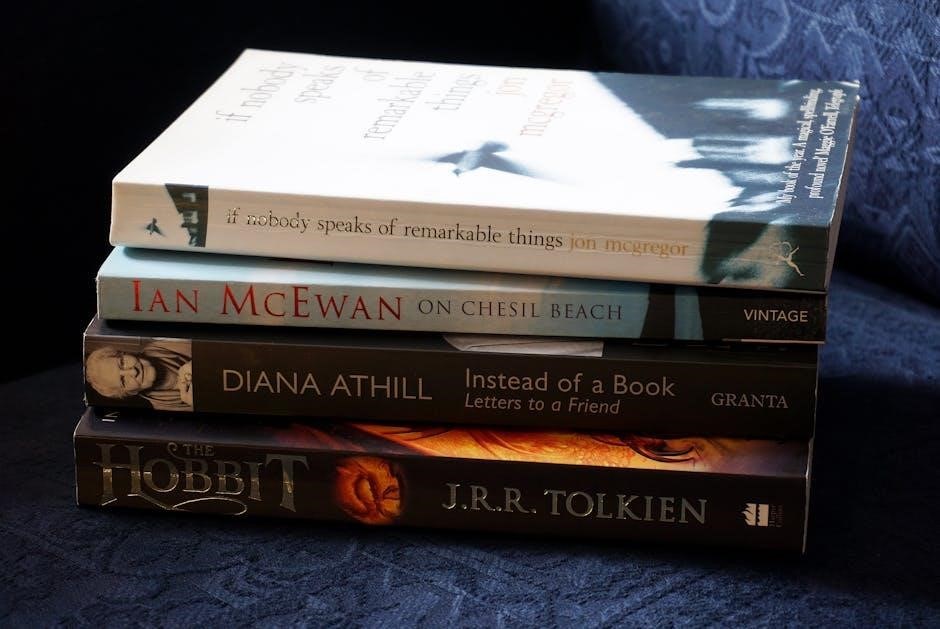
Don’t overlook the possibility of finding “Frindle” in school book fairs or through scholastic book clubs. Owning a physical copy enhances the reading experience, allowing for annotation and a tangible connection to the story.